
CNC Machining Guides & Resources
Technical guides, material selection tips, and design-for-manufacturing best practices to help you plan, quote, and produce better machined parts.
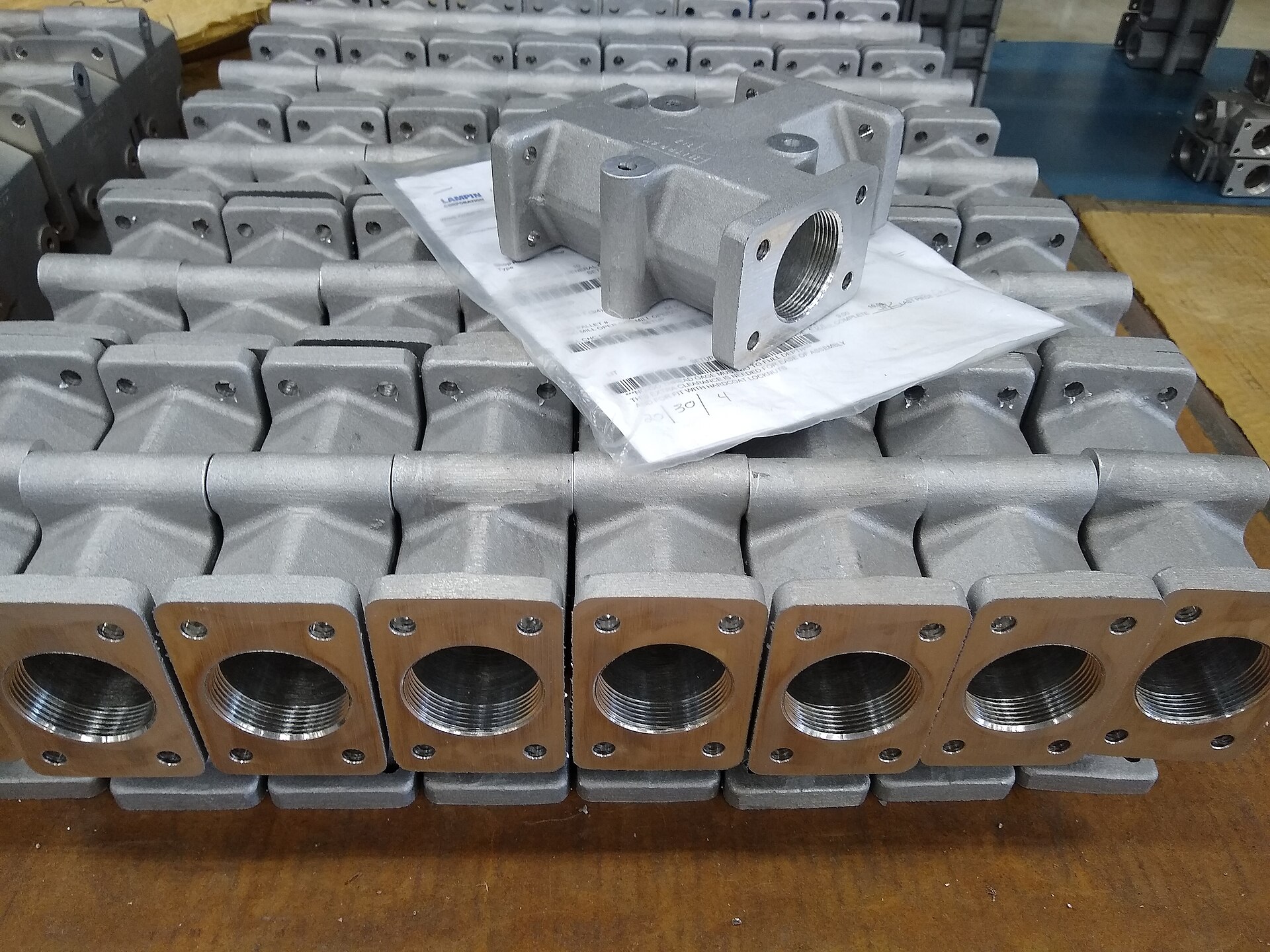
Managing Tight-Tolerance Production Across Suppliers
How to keep tight tolerances consistent when work spans multiple shops—datums, first articles, and process control that survive supplier handoffs.

ISO 9001 and What It Means for Your Parts
What an ISO 9001-certified machine shop actually guarantees—process control and traceability—and why it matters for production and regulated industries.
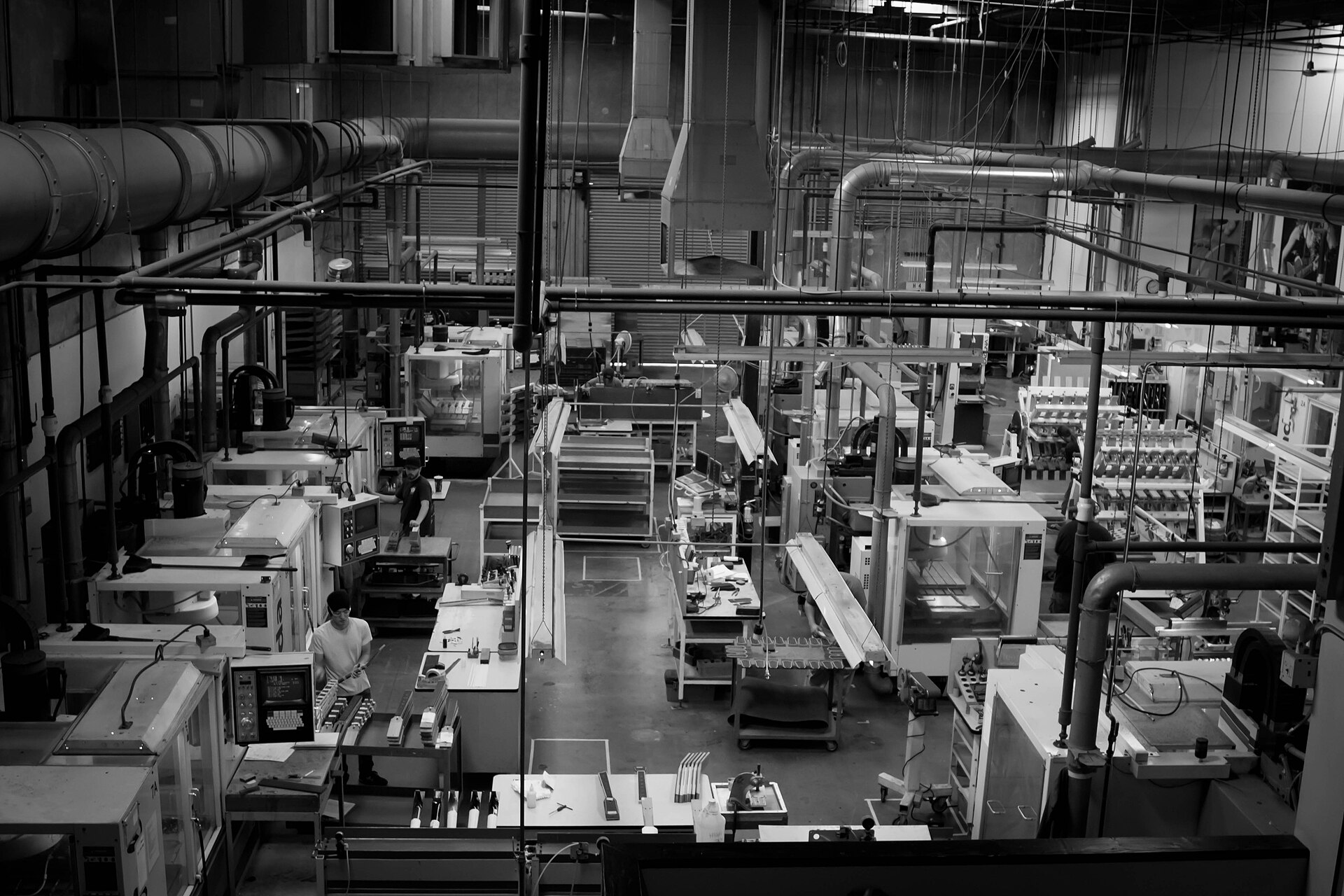
Lead Times in CNC Machining: What Affects Them
Why CNC lead times vary from days to weeks—material availability, complexity, finish, inspection, and queue—and how to shorten yours.
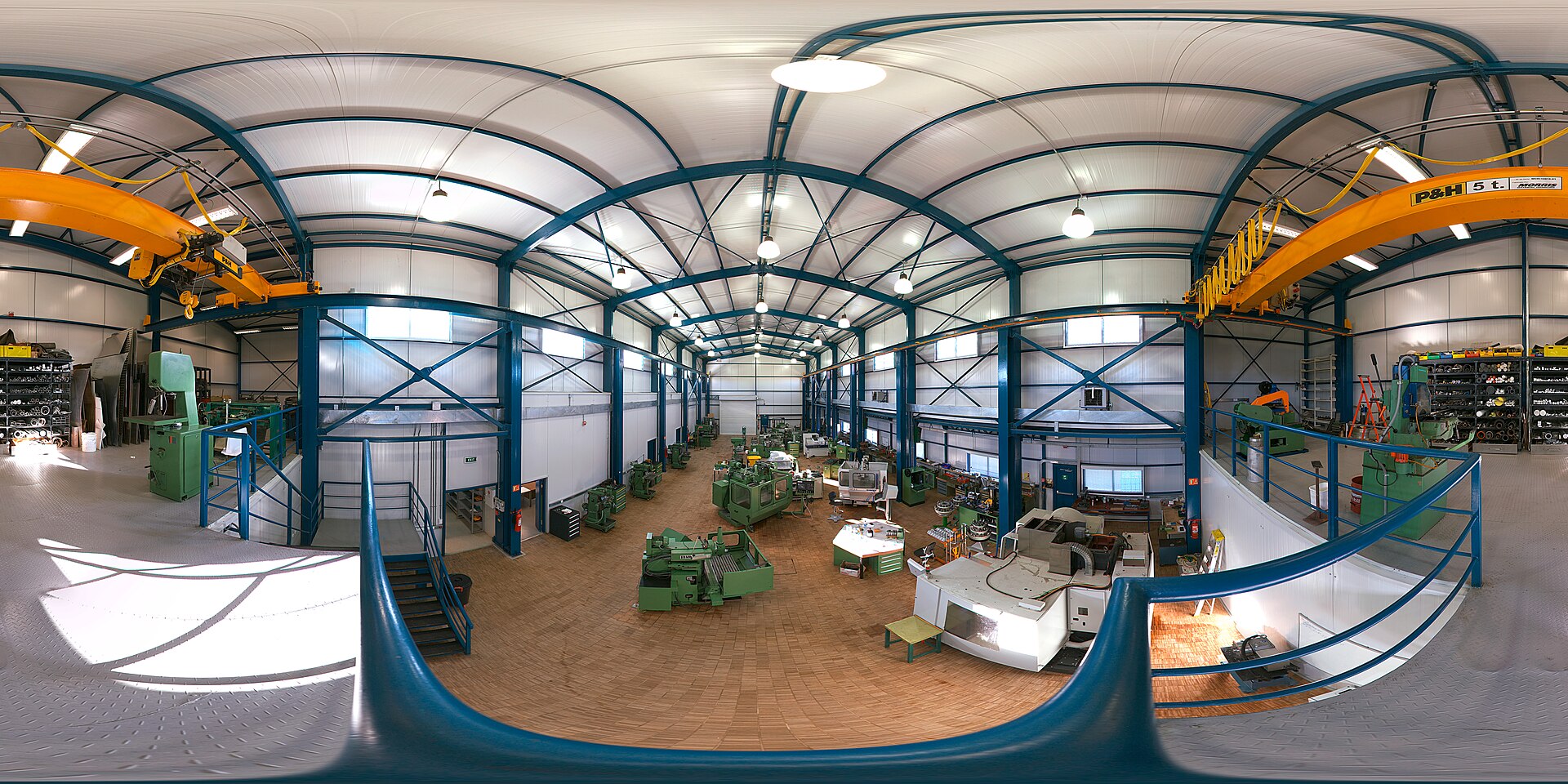
RFQ Best Practices: Getting Accurate CNC Quotes
How to write a request for quotation that returns a fast, accurate price—quantities, lead time, certifications, and the drawing package that prevents surprises.
Understanding GD&T for CNC Parts
A beginner-friendly intro to Geometric Dimensioning and Tolerancing—datums, position, flatness—and why it communicates intent better than plus/minus.
CNC Inspection Methods: CMM, GD&T, and First Article
Tour the inspection toolkit—calipers to CMM, first article to SPC—and learn which method fits which tolerance and production volume.
How to Choose a CNC Machining Supplier
What to evaluate beyond price—capability, quality system, communication, and traceability—when selecting a machining partner for prototypes or production.
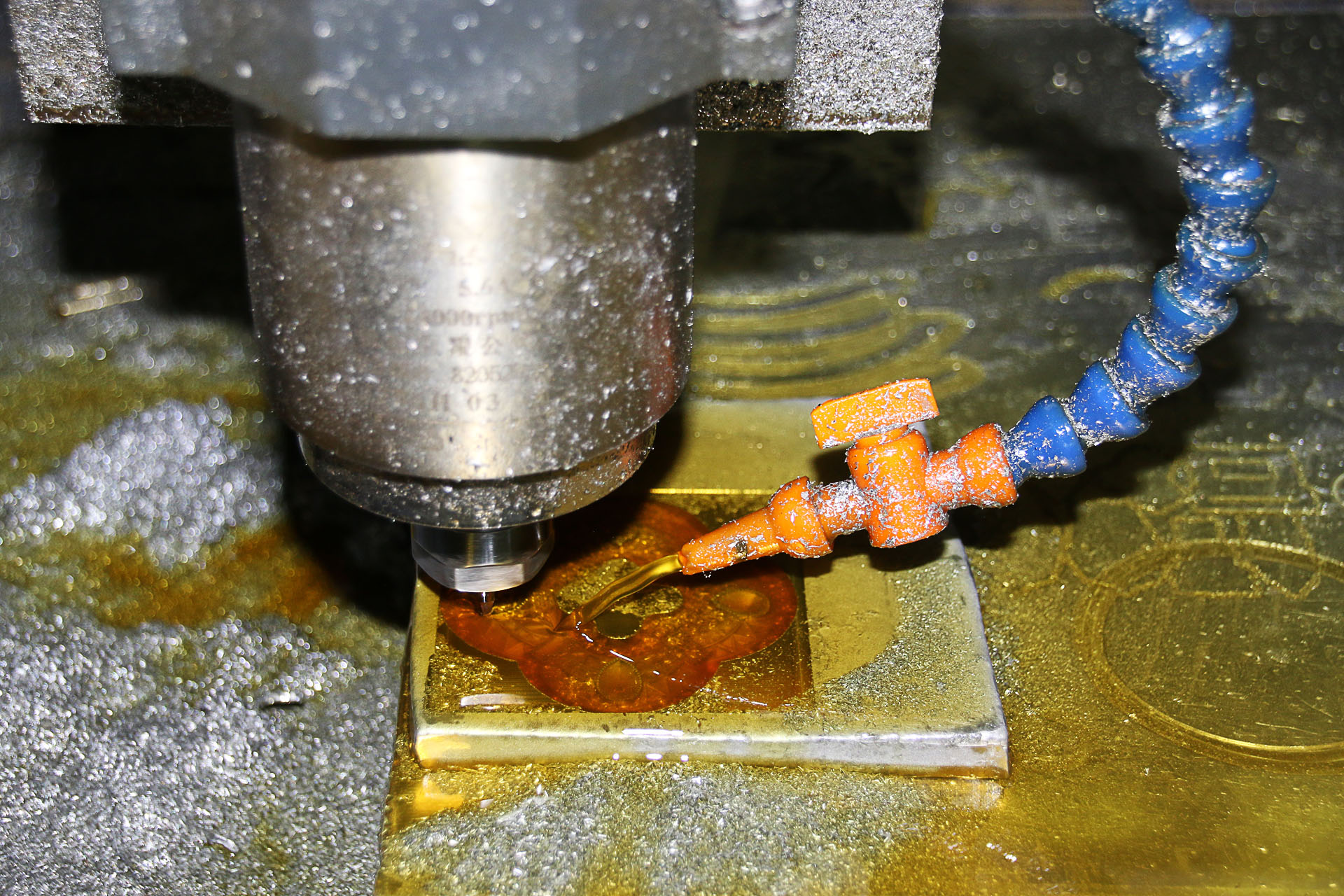
Draft Angles and Bosses in CNC Design
When draft and bosses matter in machined parts—fixturing, molding transition, and feature strength—and how to add them without overcomplicating the part.
Choosing Corner Radii Over Sharp Internal Corners
Why every internal corner should have a radius—tool geometry, cycle time, and tool life—and how to size radii for faster, cheaper machining.
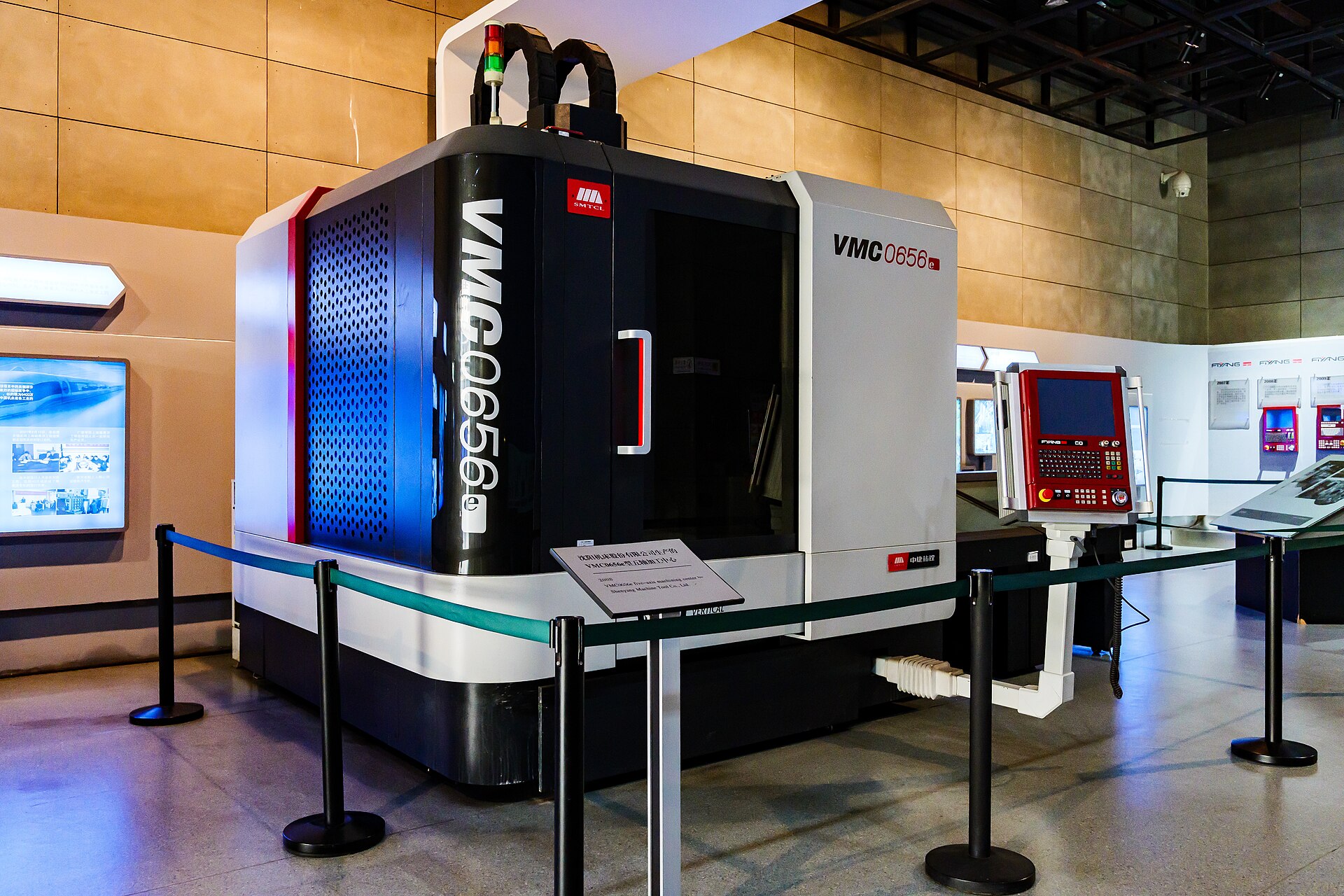
Undercuts and 5-Axis: Designing for Access
How undercuts force extra setups or special tools—and how 5-axis machining and smart feature placement eliminate them without compromising function.
Tolerances: When Tight Is Too Tight
Why over-tolerancing inflates cost and lead time, how to decide which dimensions truly need tight control, and how to communicate it on a drawing.
Designing Thin Walls for CNC Machining
How to design thin-walled machined parts that do not chatter or distort—minimum thickness, support strategy, and process choices by material.
Minimizing CNC Machining Cost: Design Tips
Where machining cost actually comes from—setup, cycle time, and scrap—and the design choices that reduce each without hurting the part.
Design for Manufacturability: 10 Rules for CNC Parts
Ten DFM rules that cut cost and lead time on machined parts—radii, wall thickness, tolerances, features, and more—without compromising function.
How to Prepare CAD Files for a CNC Machining Quote
A practical checklist for CAD and drawing packages that get you an accurate quote fast—file formats, critical dimensions, tolerances, and notes.

Heat Treatment and Its Effect on Machinable Metals
How annealing, hardening, and precipitation hardening change steel and aluminum—and why machining soft-then-heat-treat is often the smart sequence.
Material Selection Checklist for CNC Projects
A practical checklist to choose the right metal or plastic—function, environment, machinability, cost, and finish—before you send a quote request.
Brass and Copper in CNC Machining
Why brass is a machinist favorite and where copper fits—electrical, thermal, and decorative applications—plus tips for clean, burr-free results.
Engineering Plastics for CNC: ABS, POM, PEEK, PC
Choose the right machined plastic—ABS for prototypes, POM for precision gears, PEEK for high-temperature parts, and polycarbonate for optics.
Machining Titanium: Challenges and Best Practices
Why titanium is hard to machine—heat, work hardening, and galling—and the tooling, speeds, feeds, and coolant strategy that keep it predictable.
Stainless Steel Grades for CNC: 304, 316, 17-4 PH
Select the right stainless grade for machined parts—corrosion resistance, hardness, and machinability across 304, 316, and precipitation-hardened 17-4 PH.
Best Aluminum Alloys for CNC Machining
Compare 6061, 7075, and 2024 aluminum for machined parts—strength, corrosion resistance, and machinability—so you pick the right grade for your application.
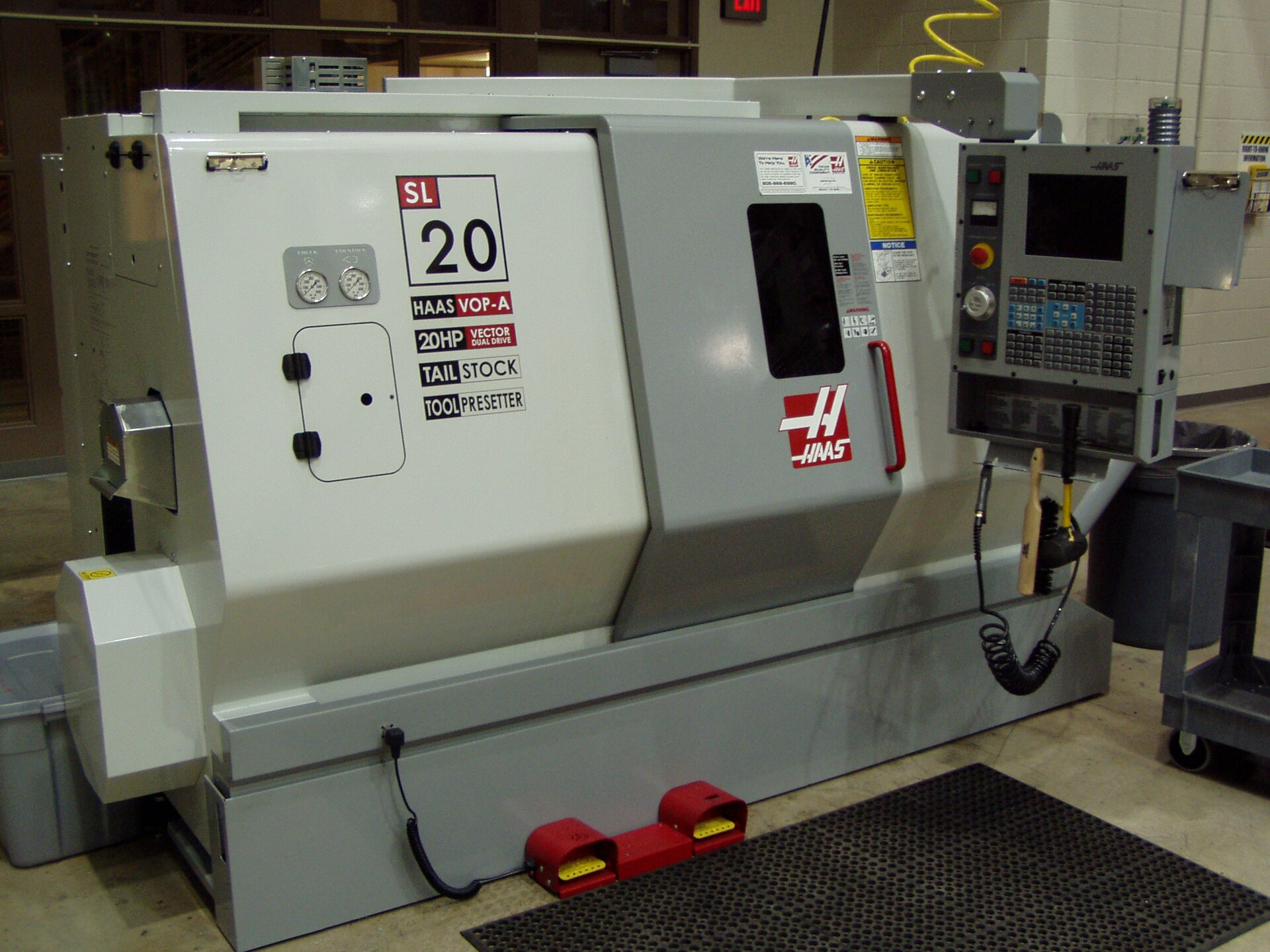
Threading on a CNC Lathe: Internal vs External Threads
Basics of cutting internal and external threads on a CNC lathe—thread standards, tool selection, and design tips for reliable, inspectable threaded features.
CNC Machining for Prototypes vs Production: Key Differences
How prototyping and low-volume production differ in process, fixturing, and inspection—and how to move from first article to repeatable batches smoothly.
High-Speed Machining vs Conventional Machining
Compare HSM and conventional roughing on cycle time, tool life, and part quality—and when each strategy suits aluminum, steel, or thin-wall parts.
Choosing Between 3-Axis, 4-Axis, and 5-Axis Milling
Compare axis configurations for CNC milling—setup count, achievable geometry, and cost—so you can pick the right machine class for your part.
CNC Surface Finish Options Explained (Ra Values)
Demystify surface roughness numbers—Ra 0.8, 1.6, 3.2—and learn which finish your part needs, from as-machined to bead-blasted and anodized-ready.
Understanding CNC Tolerances: A Practical Guide
A plain-language guide to standard CNC tolerances, what ±0.05 mm and GD&T really mean, and how to call out only what your part functionally requires.
5-Axis Machining: When Your Part Needs Multi-Sided Complexity
Learn when 5-axis CNC machining pays off—compound angles, deep cavities, impellers, and tight positional tolerances—and when 3-axis is the better value.
CNC Milling vs CNC Turning: Which Process Fits Your Part?
Understand how material removal direction, part geometry, and tolerance requirements determine whether milling or turning is the right CNC process for your component.
No articles in this category yet. View all articles.