
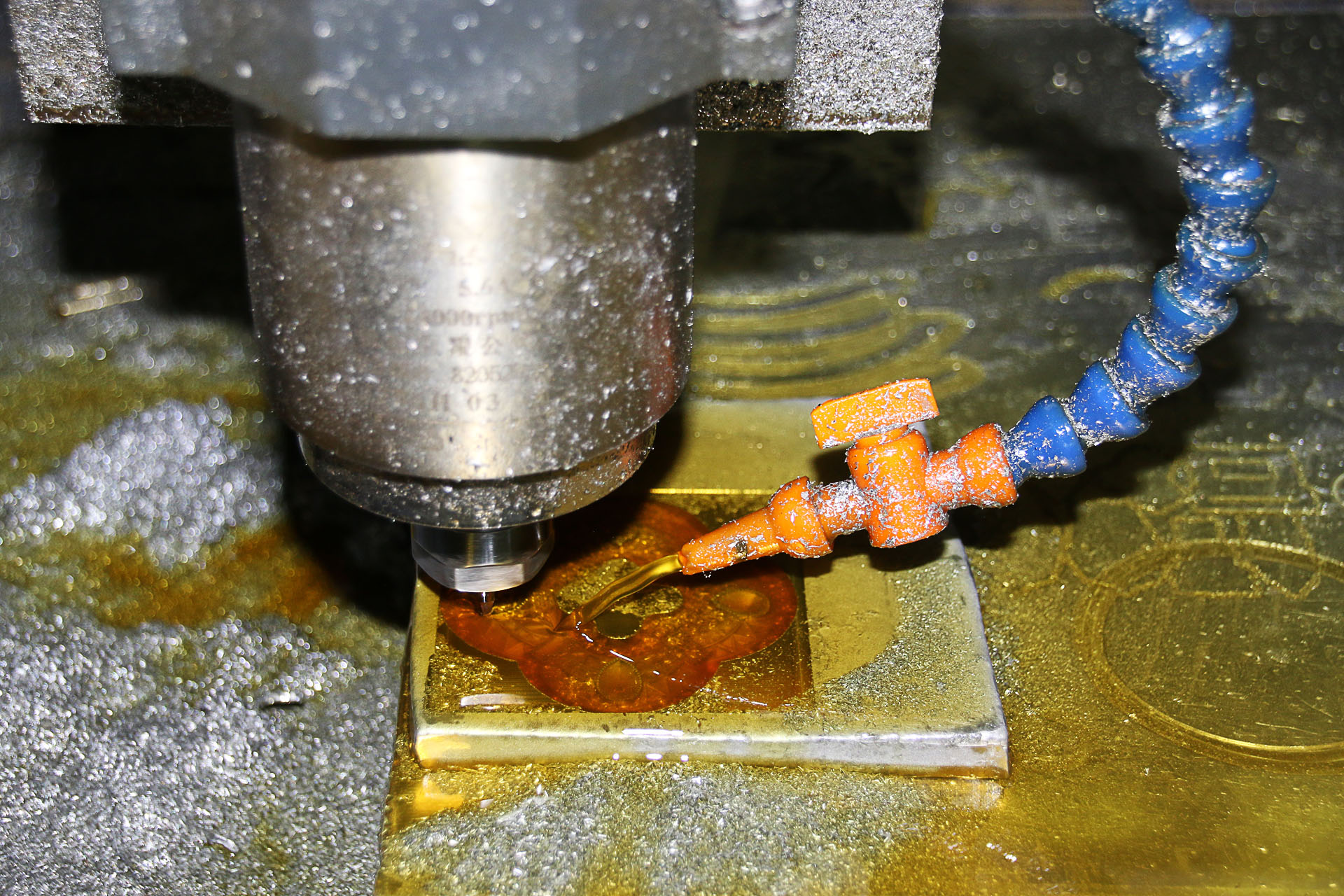
Design for manufacturability (DFM) is designing parts that are easy and cheap to make. These ten rules apply to almost every machined component.
- Use standard radii on internal corners (see below).
- Keep walls ≥ 0.8 mm; thicker is safer for thin plastics.
- Tolerance only what matters—default the rest to stock.
- Avoid deep, narrow pockets; they need long, deflecting tools.
- Standardize hole sizes to common drills and reamers.
- Specify threads by standard, not “make it threaded.”
- Minimize setups by clustering features on fewer faces.
- Avoid sharp external edges where a small chamfer helps deburring.
- Respect draft on parts that may later be molded.
- Talk to the shop early—a 10-minute review saves days.
Why it pays
Each rule reduces machine time, fixturing, or scrap. Together they often cut cost 20–40% versus a “drawn in CAD without thought” part. Start from our DFM articles.
FAQ
Does DFM weaken my part? No—it removes unnecessary cost while keeping function.
When should I apply it? From the first sketch; changes are cheapest then.