CNC Milling
Coordinate precision CNC milling for complex geometries, pockets, contours, and flat surfaces. Suitable for prototypes and low-volume production.
Request a QuoteWhat is CNC Milling?
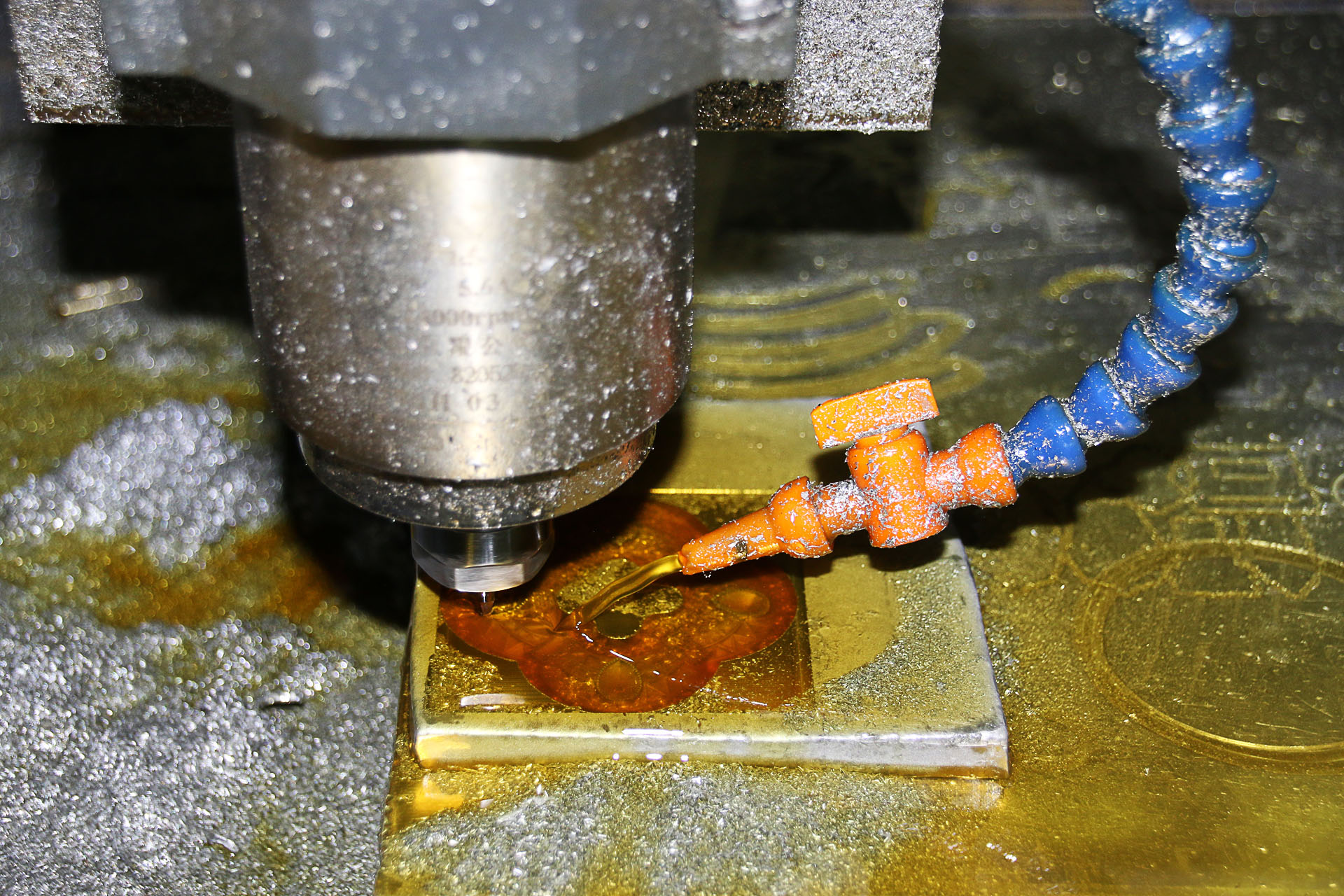
CNC milling is a subtractive manufacturing process that uses rotating cutting tools to remove material from a workpiece. The process is controlled by computer numerical control (CNC) systems that execute programmed tool paths with high precision.
CNC milling is ideal for creating parts with complex 2D and 3D geometries, including flat surfaces, pockets, holes, slots, and contoured features. The process works with a wide range of materials and can achieve tight tolerances and excellent surface finishes.
Typical Part Geometries
Engineered From Your CAD
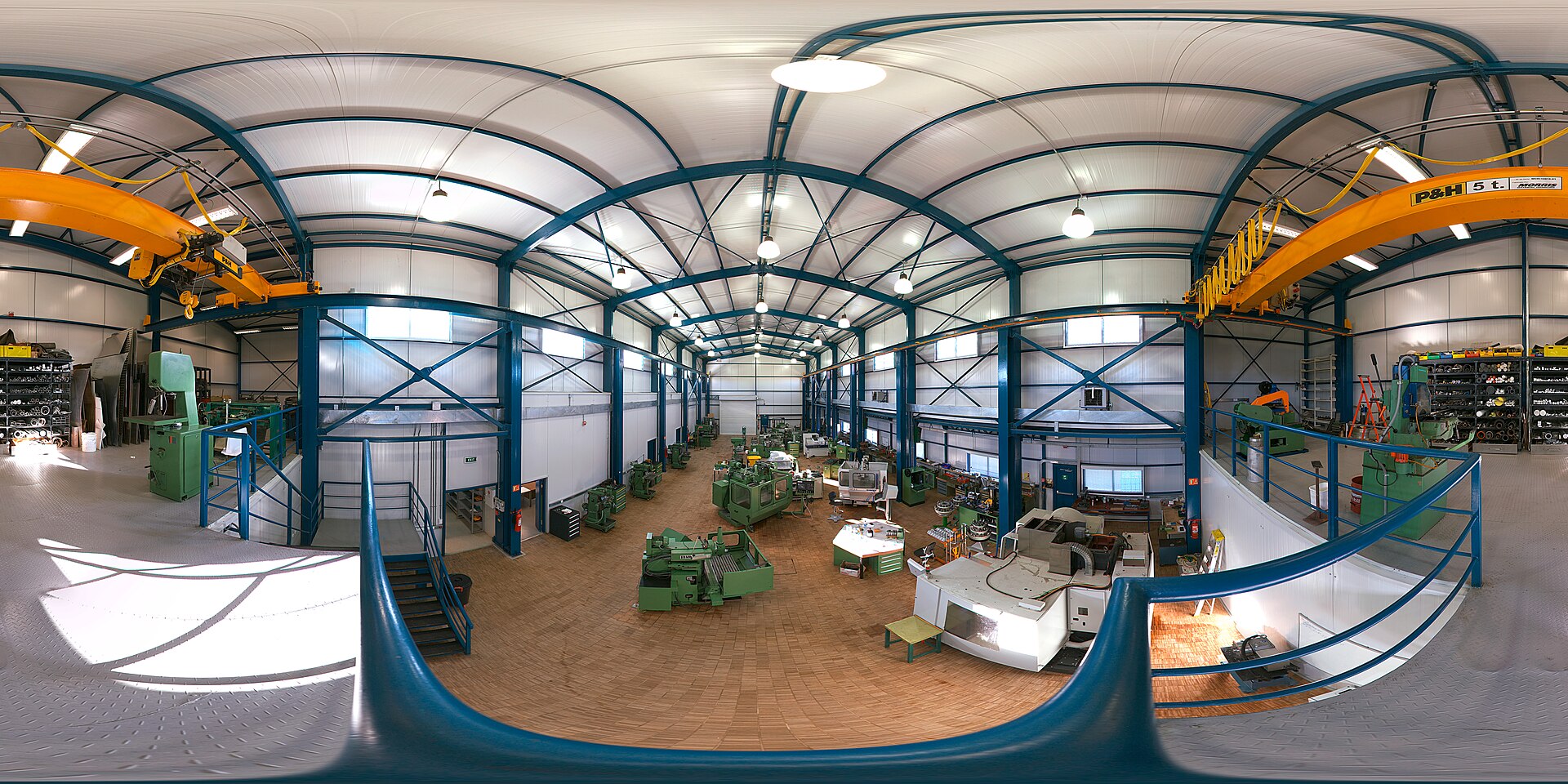
Every project starts with a manufacturability review of your CAD model. We check features, tolerances, and materials against partner capabilities before quoting.
Prismatic Parts
Blocks, plates, brackets, and housings with flat surfaces and perpendicular features.
Pockets & Cavities
Internal recesses, mold cavities, and complex pocket geometries.
Contoured Surfaces
3D sculptured surfaces, molds, dies, and organic shapes.
Holes & Features
Drilled holes, threaded features, counterbores, and countersinks.
How CNC Milling Works
CAD Model & Programming
Engineers create toolpaths from your CAD model using CAM software.
Material Setup
Raw material is secured in fixtures or vises on the machine table.
Machining Operations
Cutting tools rotate at high speeds while moving along programmed paths.
Finishing & Inspection
Parts are deburred, finished, and inspected to meet specifications.
Suitable Materials
CNC milling works with a wide range of metals and plastics. Material availability is confirmed during project review.
Metals
- Aluminum alloys (6061, 7075, 2024)
- Stainless steel (304, 316, 17-4 PH)
- Mild steel and alloy steels
- Brass and copper
- Titanium (Grade 2, Grade 5)
Engineering Plastics
- ABS
- POM (Delrin)
- Nylon (PA6, PA66)
- PEEK
- Polycarbonate (PC)
Material availability and specific grades are confirmed during project review based on supplier capabilities.
Design Considerations
From Prototype to Production
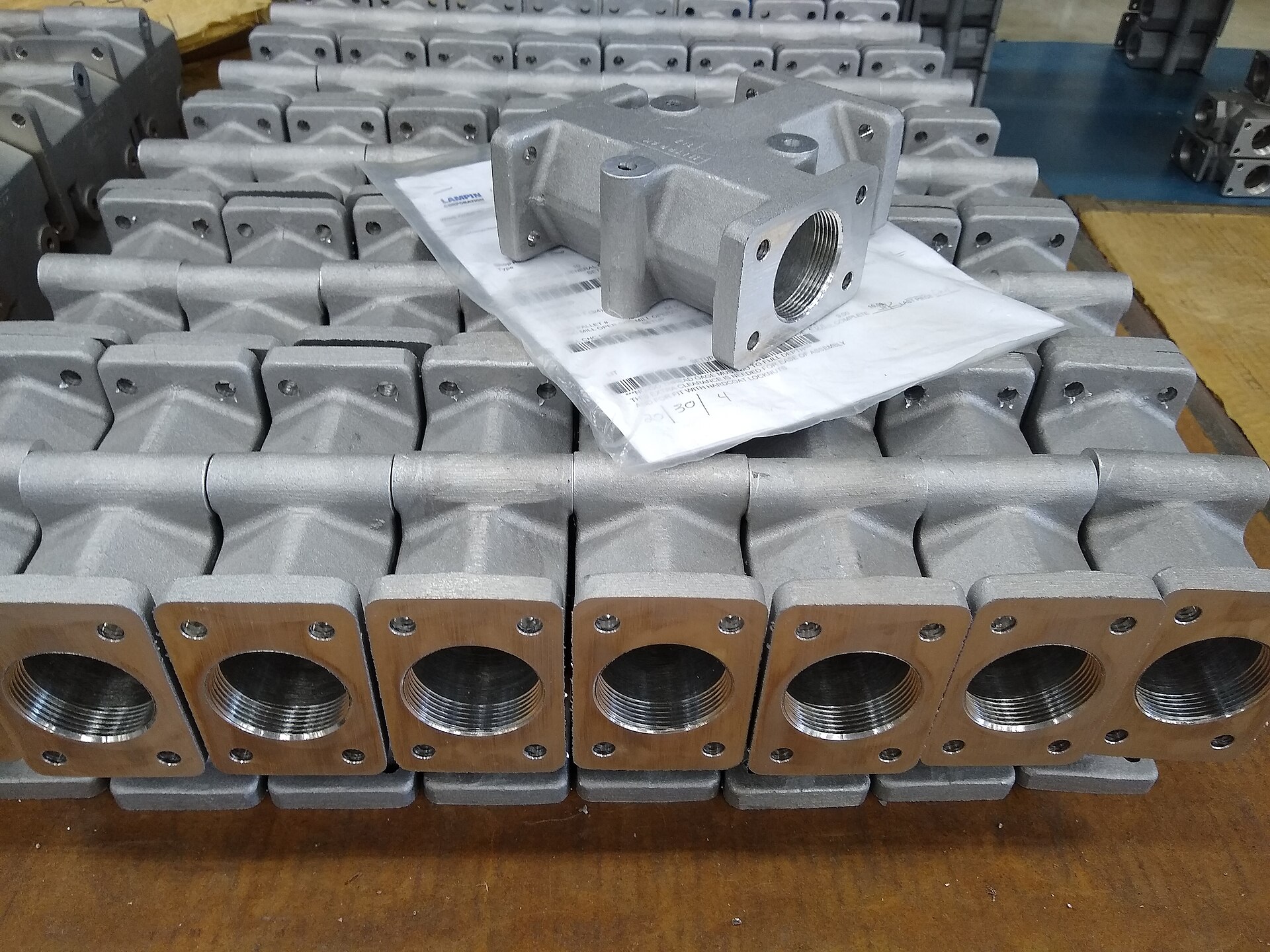
The same drawing can move from a first article through low-volume runs. Coordinate iterations without re-explaining requirements to a new shop each time.
Corner Radii
Internal corners will have radii matching the cutting tool diameter. Sharp internal corners require additional operations like EDM.
Wall Thickness
Maintain adequate wall thickness to prevent deflection. Minimum wall thickness depends on material and part geometry.
Tool Access
Design features accessible to standard cutting tools. Deep pockets may require special tooling.
Tolerance Requirements
Tolerance requirements are confirmed from the drawing, feature geometry, material and inspection plan. Tighter control may require additional process planning and inspection.
Frequently Asked Questions
What's the difference between 3-axis and 5-axis milling?
3-axis milling moves the cutting tool along X, Y, and Z axes. 5-axis milling adds two rotational axes, allowing the tool to approach the workpiece from any direction. 5-axis is better for complex geometries with undercuts or compound angles.
What tolerances can CNC milling achieve?
Achievable tolerance depends on part geometry, material, feature size, datum strategy and the inspection plan. Specify critical dimensions and acceptance criteria in the drawing so the required process capability can be reviewed before quoting.
What surface finishes are available?
As-machined surface finish typically ranges from 63-125 Ra (µin). Finer finishes (16-32 Ra) can be achieved through additional operations. Surface finishing options include bead blasting, anodizing, powder coating, and polishing.
What's the typical lead time for milled parts?
Lead time varies based on part complexity, material availability, and current production schedules. Timing depends on part complexity, material availability, quantity, finishing, inspection requirements and current production capacity. Request a project-specific schedule with your quote.
Related Services
Ready to Start Your Milling Project?
Upload your CAD files to receive a detailed quotation for your CNC milled parts.
Request a Quote