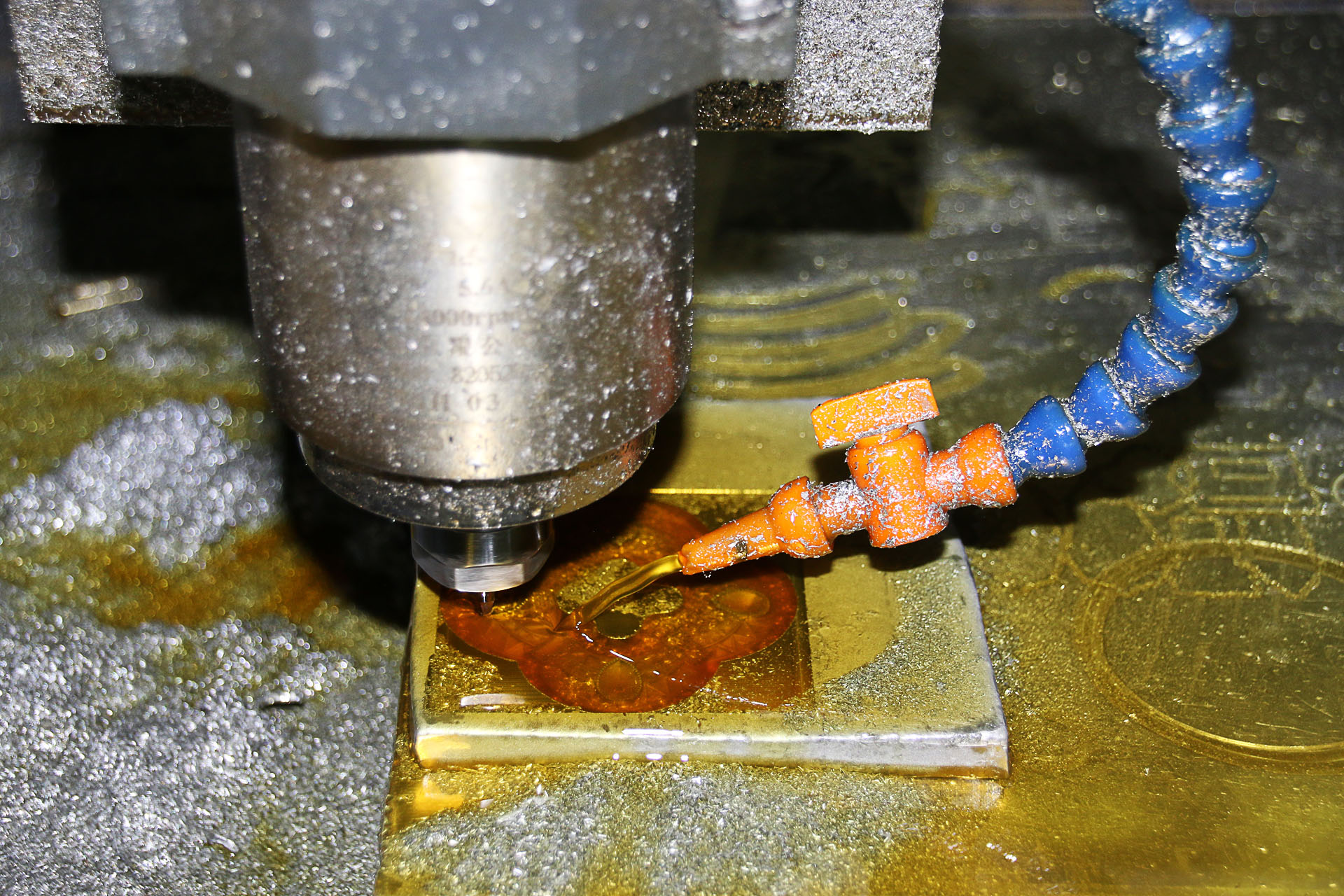
High-speed machining (HSM) uses lighter depths of cut at very high spindle speeds and feed rates, with smooth “trochoidal” toolpaths that keep the tool engaged at a constant load. Conventional machining takes deeper, slower passes.
Where HSM wins
- Aluminum and soft alloys: HSM shines, often cutting cycle time dramatically.
- Thin walls: light cuts reduce vibration and deflection.
- Tool life: lower cutting forces and consistent load extend tool life.
Where conventional still makes sense
- Roughing large steel billets: deep, rigid passes clear material efficiently.
- Hard materials: aggressive HSM can work but needs the right tool and machine rigidity.
Practical takeaway
A competent shop selects the strategy per operation—HSM for finishing and thin features, conventional for heavy roughing. The result is shorter lead time and fewer scrapped thin-wall parts.
FAQ
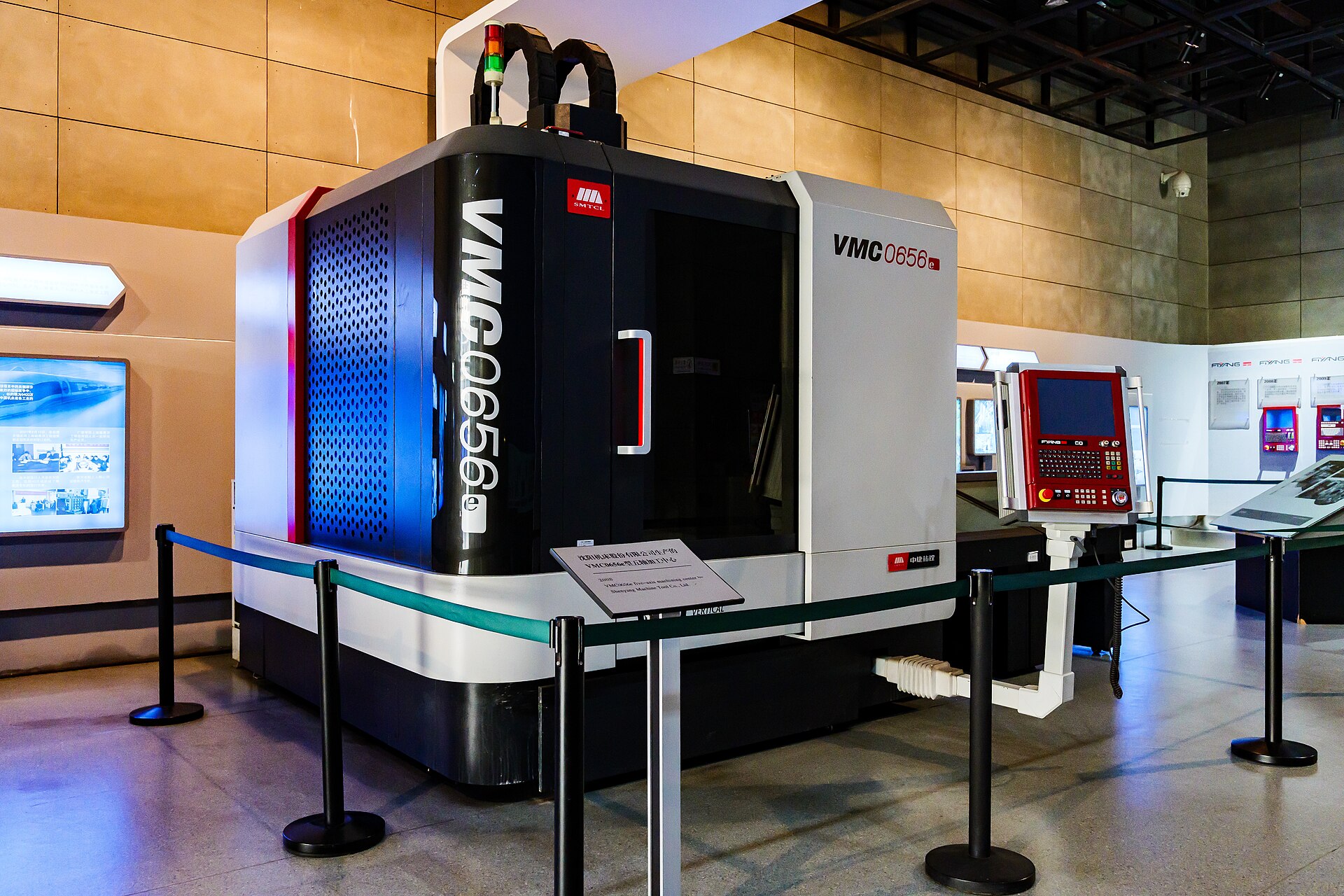
Does HSM need a special machine? A rigid spindle with high rpm helps, but many modern VMCs handle HSM toolpaths well.
Is HSM only for aluminum? It is most dramatic on aluminum but applies to many materials with the right parameters.