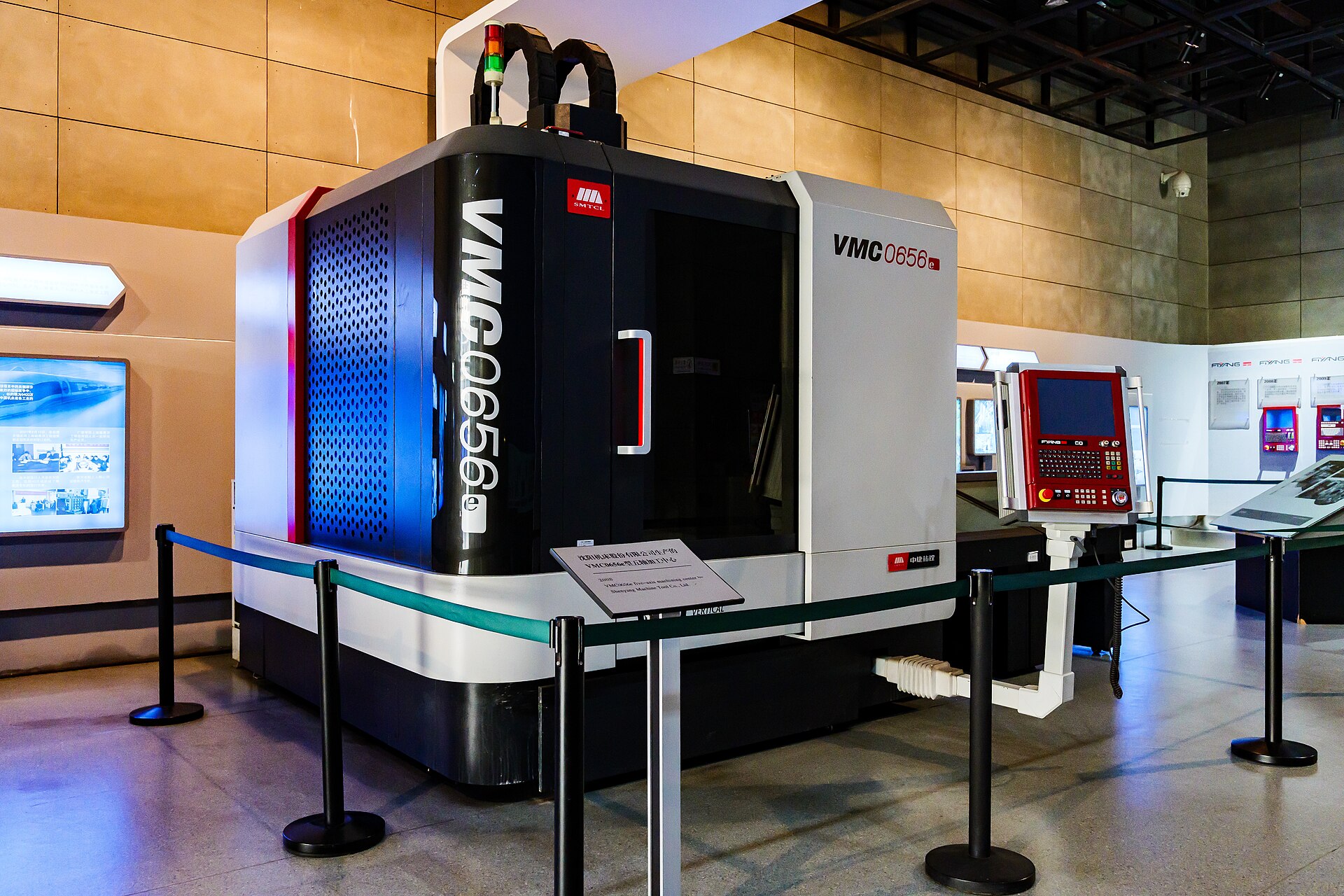
5-axis machining lets the cutting tool approach the part from almost any angle in a single setup by rotating the table or head on two additional axes (typically A and B or B and C). That capability changes what is practical—not just what is possible.
What “5-axis” actually unlocks
- Compound-angle features cut in one setup instead of three or four.
- Shorter tools because the head can tilt to reach, improving rigidity and surface finish.
- Reduced setups, which shrinks tolerance stack-up between operations.
- Better access to deep cavities and undercuts that 3-axis tools cannot reach.
Typical 5-axis parts
Impellers, turbine blades, orthopedic implants, mold cavities with draft, and any part where several angled holes must meet precise positional tolerances are classic candidates.
When 3-axis is still the right call
If your part is prismatic with features on top and side faces only, 3-axis milling is faster to program and cheaper per hour. Reserve 5-axis for parts where the extra axes remove setups or hit tolerances 3-axis cannot.
Cost and lead-time implications
5-axis machine time costs more, but fewer setups often mean lower total cost on complex parts—less handling, less fixturing, less scrap from misalignment. For prototype and low-volume work, that trade is usually worth modeling before you commit.
FAQ
Is 5-axis only for exotic parts? No. Even simple parts with holes on five faces benefit from one-setup accuracy.
Do I need a 5-axis drawing? You need a clean 3D model (STEP preferred). The shop handles toolpath strategy.