Draft angles and bosses are more associated with molding, but they show up in CNC design too—usually for fixturing, strength, or a future molding transition.
Bosses for locating and strength
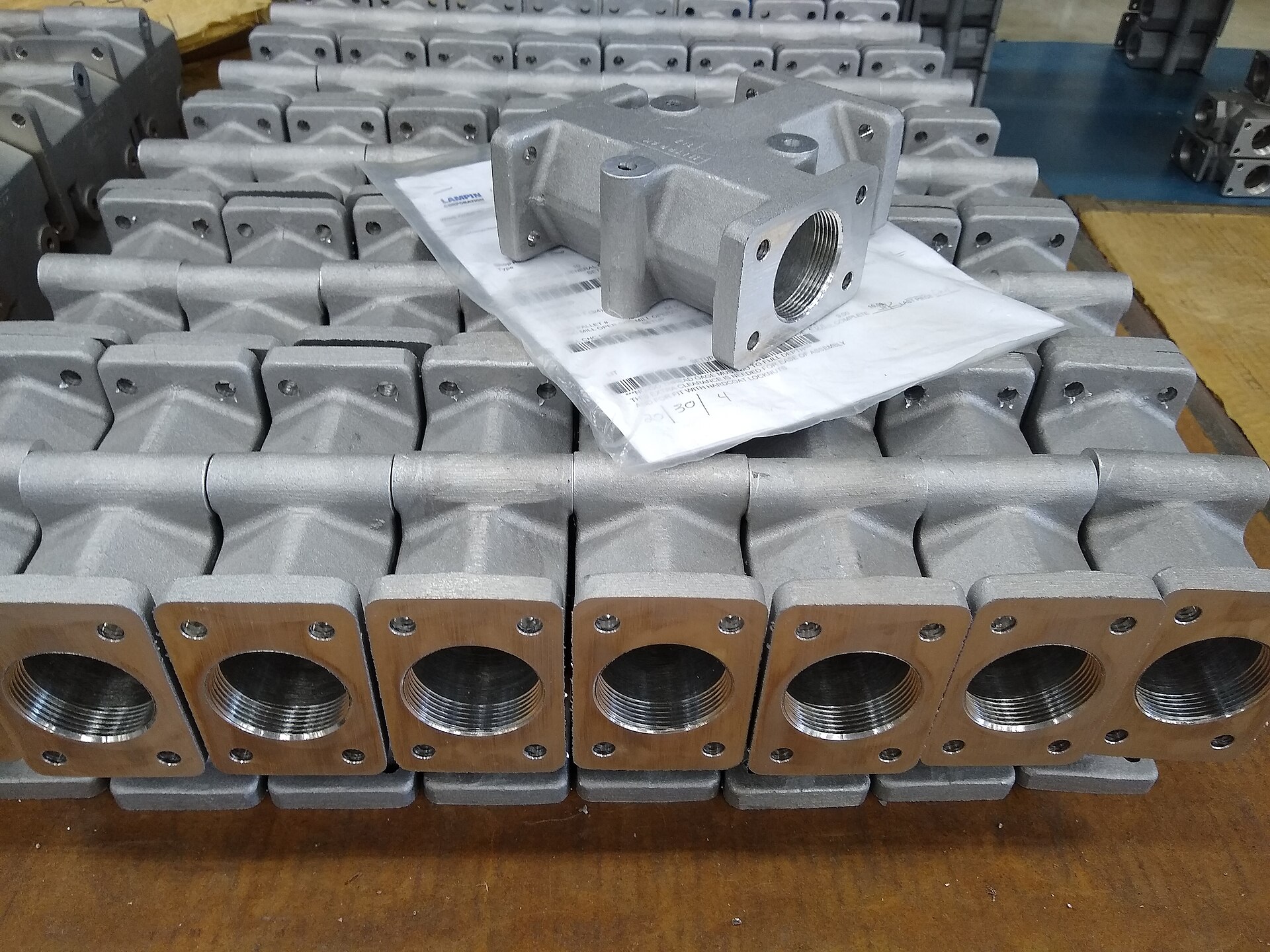
A boss is a raised cylinder or pad, often used as a locating feature or to reinforce a hole. Keep bosses short and well-supported; tall, thin bosses deflect while cutting.
Draft angles
True draft (tapered walls) is rarely needed in pure CNC, but a small chamfer or taper helps:
- Deburring—chamfered edges deburr cleanly.
- Mold transition—if the part may later be molded, design with draft early.
- Assembly—lead-in chamfers aid insertion.
Practical guidance
Add a 0.5–1 mm chamfer on external edges by default; reserve full draft for molding-path parts. Keep bosses proportional to wall support.
FAQ
Do CNC parts need draft? Not usually—chamfers yes, draft only if molding is planned.
Are bosses worth it? For locating and reinforcement, often yes. Discuss in engineering review.