Surface finish is quantified by roughness average Ra, measured in micrometers (µm). Lower Ra means smoother. The right value depends on function and appearance, not a default.
Common Ra targets
| Ra (µm) | Typical use |
|---|---|
| 3.2 | As-machined structural parts, hidden faces |
| 1.6 | General visible surfaces, sealing faces |
| 0.8 | Bearing surfaces, sliding contact |
| 0.4 and below | Hydraulic, pneumatic, or optical contact |
How finish is achieved
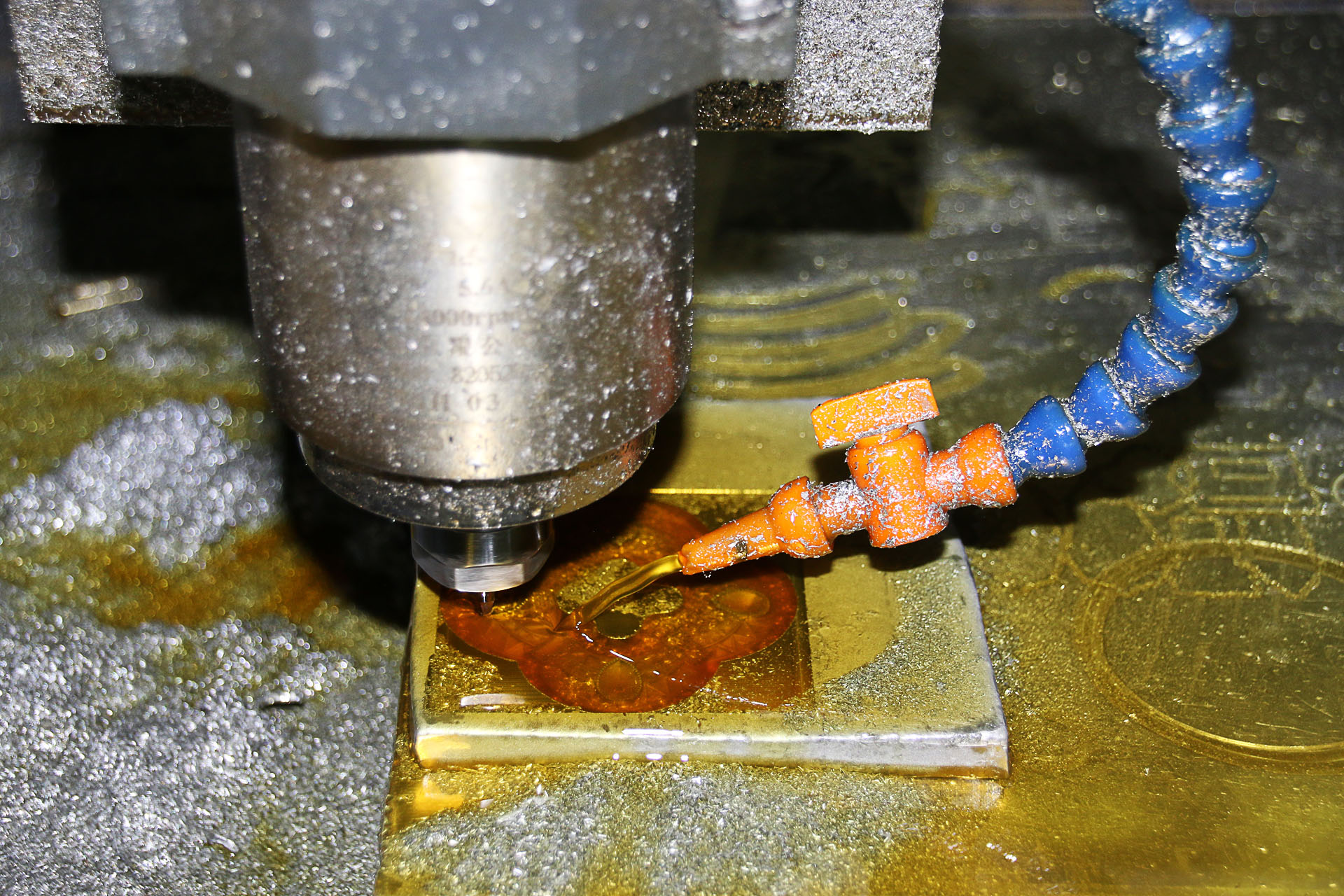
- As-machined: depends on tool, feed, and stepover. Expect Ra 1.6–3.2.
- Bead blast: uniform matte texture, good for appearance and paint adhesion.
- Brushed / linished: directional satin finish.
- Polished: for molds and decorative metal.
Match finish to function
A sealing face may need Ra 1.6; a bracket inside an enclosure is fine at 3.2. Specifying 0.8 everywhere adds cost for no benefit. If a part will be anodized, a consistent 1.6 base finish gives the most even color.
FAQ
Does smoother always cost more? Usually yes—slower feeds or secondary operations. Specify only where it matters.
Can I get a specific Ra on any material? Soft plastics can be harder to finish cleanly than metals; discuss with the shop during review.