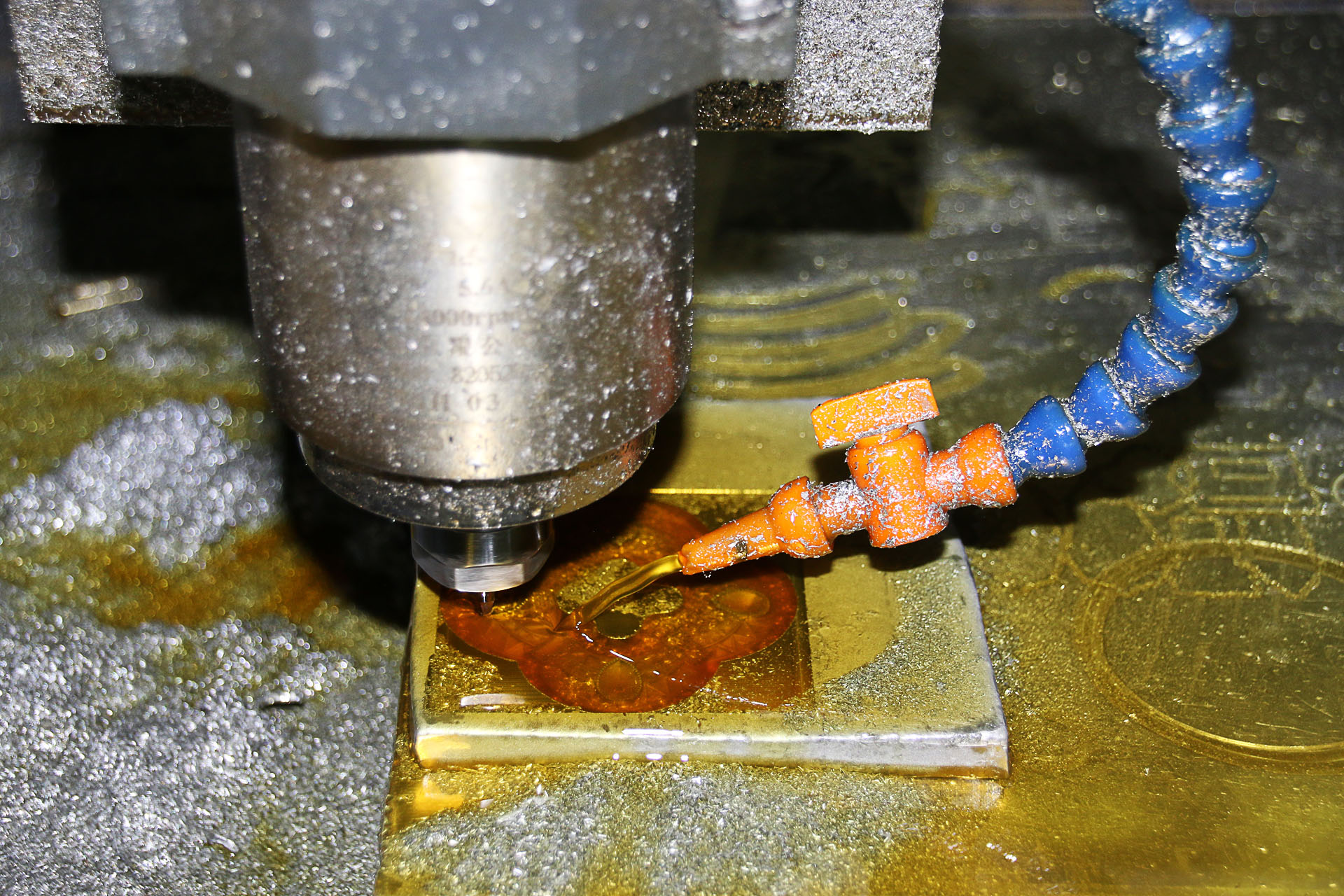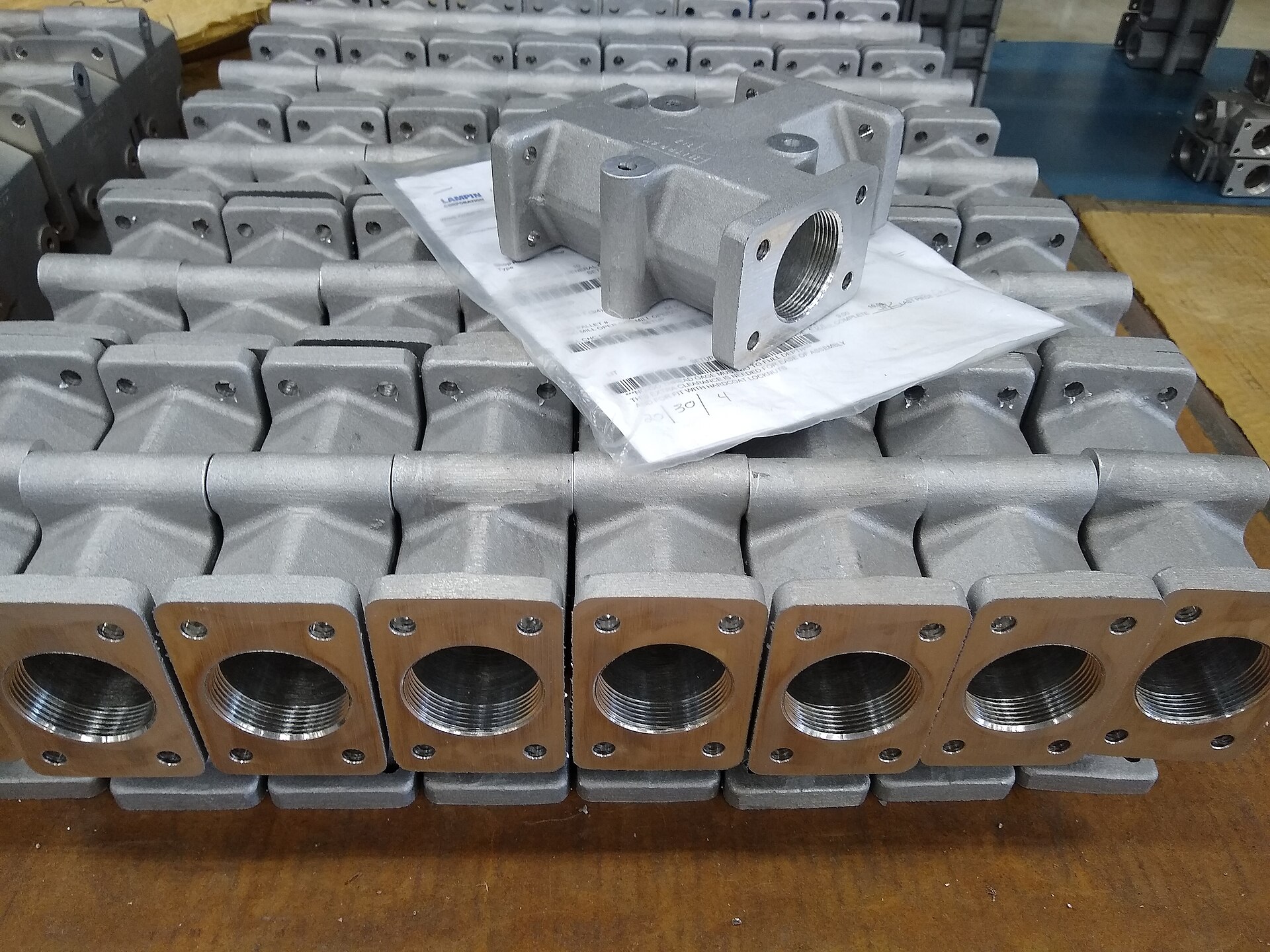
An undercut is any feature a straight tool cannot reach without colliding with the part—a ledge behind a wall, an internal groove, or a back-facing hole.
Why undercuts cost money
They typically need a smaller tool, an extra setup, or a special lollipop/cutting tool. Each adds time and tolerance stack-up.
Design strategies
- Reposition the feature to a face the standard toolpath can reach.
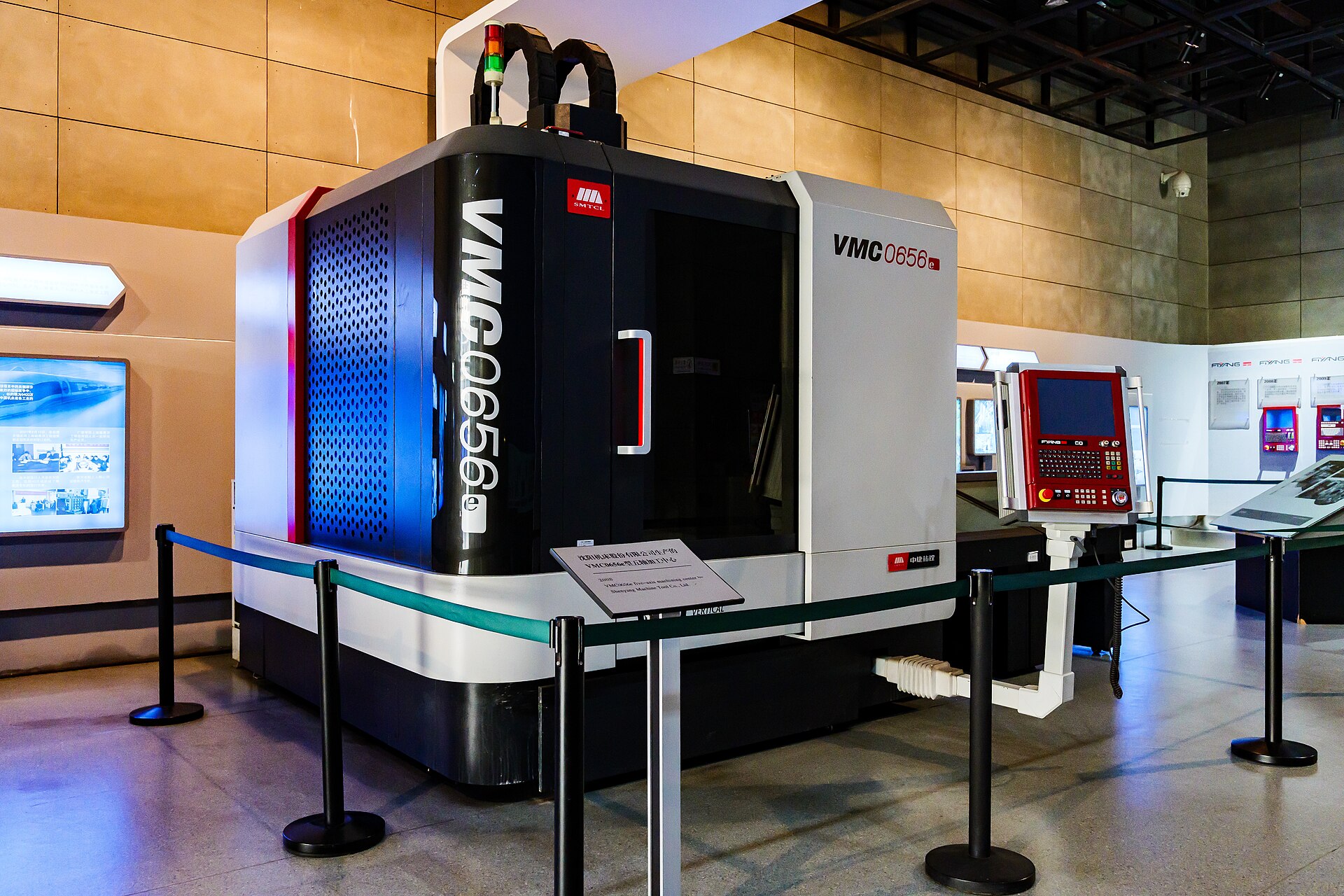
- Use 5-axis to tilt the head and reach behind obstructions in one setup.
- Split the part if an undercut is truly needed and isolated.
When to keep the undercut
If function demands it (a snap fit, a hidden O-ring groove), keep it—but expect the cost and say so in your notes so the shop plans the right tool.
FAQ
Can 3-axis make undercuts at all? Only with special tools or extra setups; 5-axis is cleaner.
Best practice? Design them out unless function requires them. See 5-axis service.