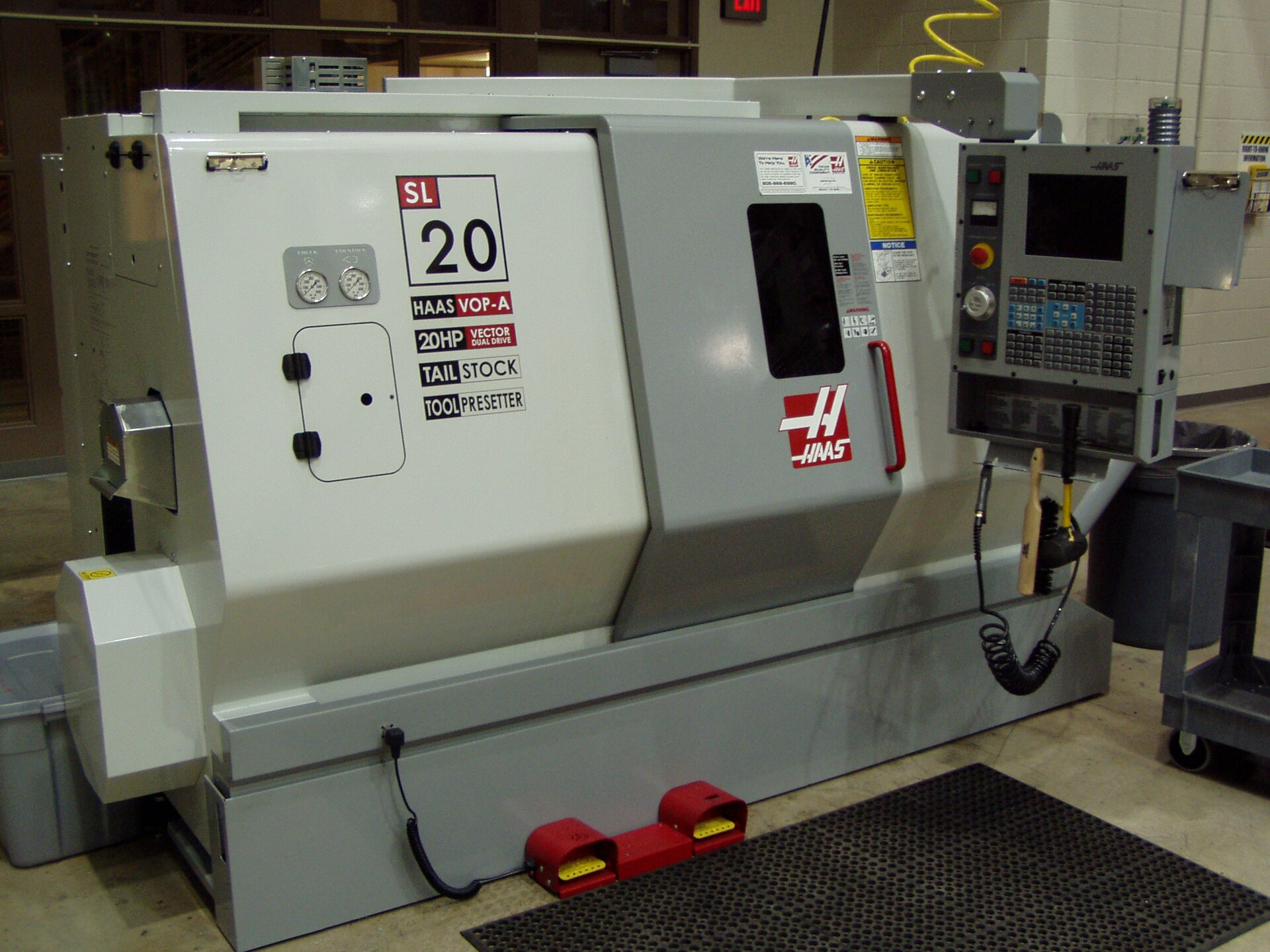
Threads are among the most common—and most often mishandled—features on turned parts. CNC lathes cut them with single-point tools or rigid taps, holding class 2 fit readily.
External vs internal
- External threads (bolts, studs) are cut on the outside diameter; tool access is easy.
- Internal threads (nuts, bosses) are cut inside a bore; need clearance depth and the right tap or single-point tool.
Standards matter
Specify the standard (e.g., M6×1.0 metric, #10-32 UNF, 1/4-20 UNC) and class of fit. “Make it threaded” is not enough—pitch and major diameter decide whether your fastener fits.
Design tips
- Allow enough unthreaded major diameter length for the tap to exit.
- Avoid threads all the way to a shoulder; leave a relief groove.
- For plastic, use coarser threads and more engagement length—fine metal threads strip easily in plastic.
FAQ
Tapped or single-pointed? Tapping is faster for standard sizes; single-pointing helps odd pitches and large diameters.
What tolerance class is typical? Class 2 (6H/6g) is the standard general-purpose fit.