5-Axis CNC Machining
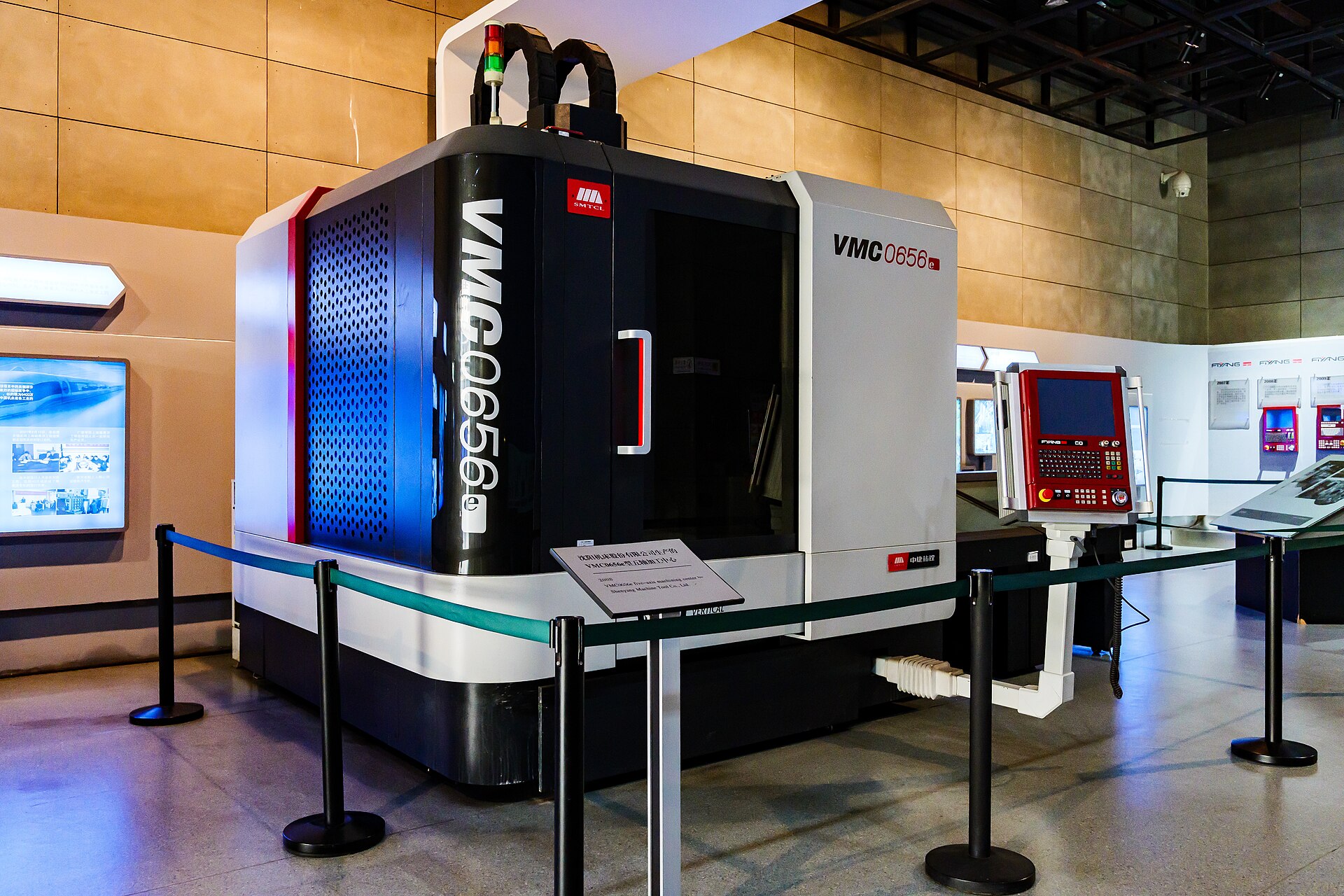
Coordinate advanced 5-axis machining for complex geometries with undercuts, compound angles, and sculptured surfaces that require continuous multi-axis movement.
Request a QuoteWhat is 5-Axis Machining?
5-axis CNC machining adds two rotational axes (A and B) to the standard three linear axes (X, Y, Z), allowing the cutting tool to approach the workpiece from virtually any direction. This enables machining of complex geometries in a single setup, reducing fixtures and improving accuracy.
Advantages of 5-Axis
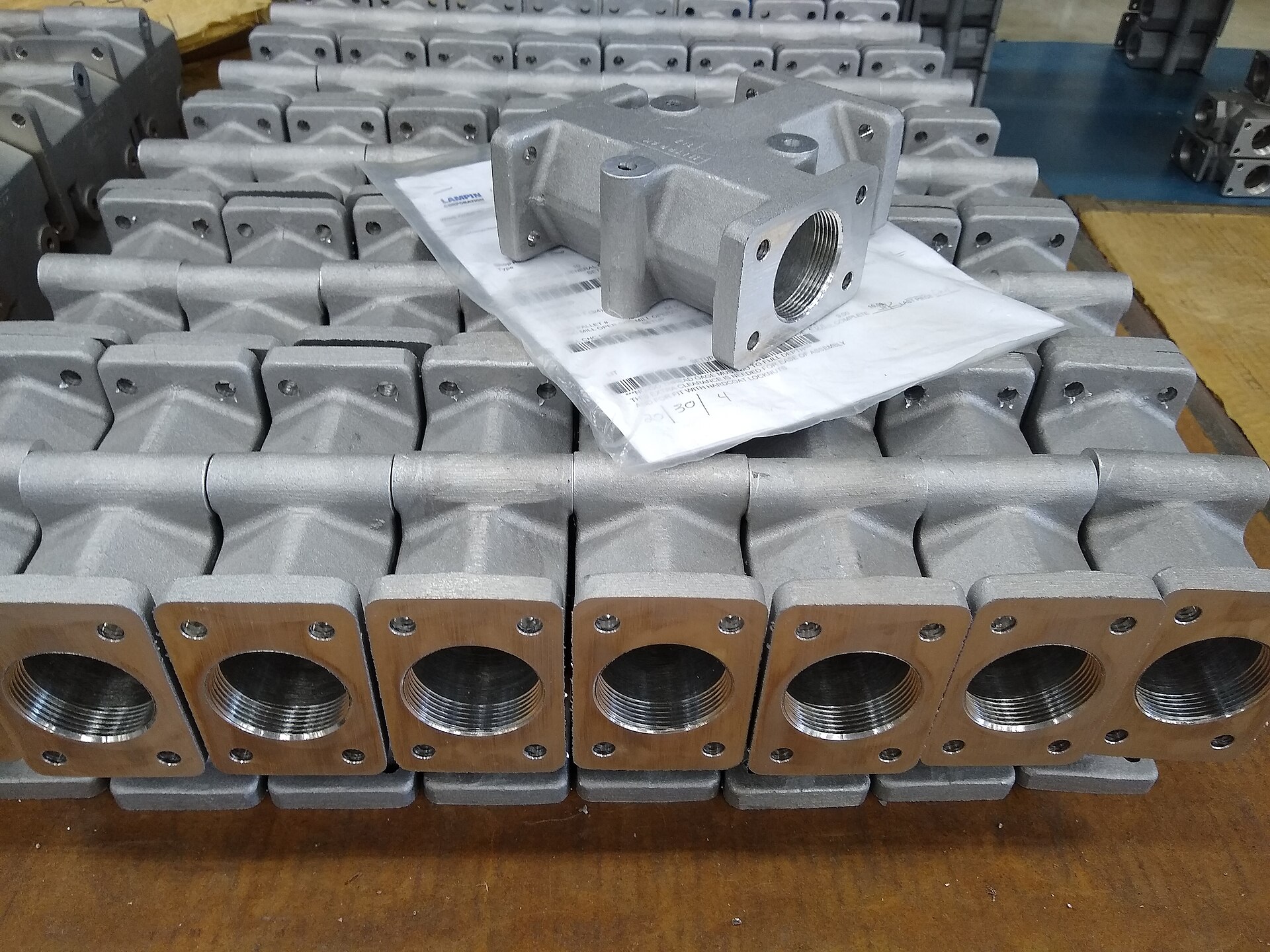
Complex Geometries, One Setup
Undercuts, compound angles, and sculptured surfaces are reached in fewer setups, which helps hold accuracy across the part.
Complex Geometries
Machine undercuts, deep cavities, and compound angles without repositioning.
Single Setup
Reduce setups, improving accuracy and reducing lead time.
Better Surface Finish
Tool orientation optimization for superior surface quality.
Shorter Tools
Use shorter, more rigid tools for better precision and finish.
Typical Applications
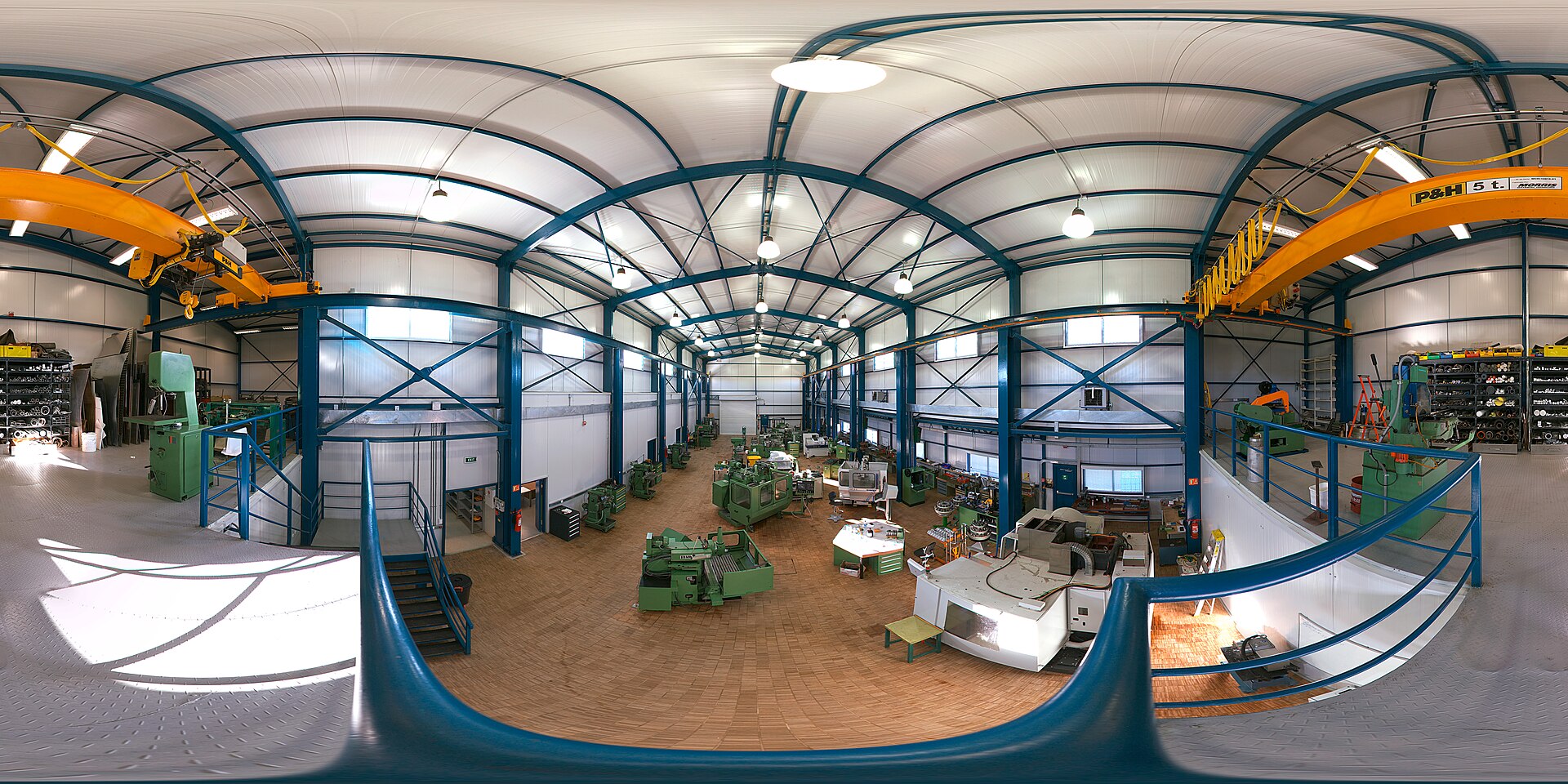
Programmed for Accuracy
5-axis toolpaths are generated from your full 3D model. Provide STEP or IGES geometry so the programming reflects the intended design.
- Aerospace structural components with compound angles
- Medical implants with organic surfaces
- Molds and dies with complex cavities
- Turbine blades and impellers
- Automotive prototypes with sculptured surfaces
FAQ
When should I use 5-axis instead of 3-axis?
Choose 5-axis for parts with undercuts, complex angles, or deep cavities that would require multiple setups on a 3-axis machine. If your part can be machined from a single direction, 3-axis may be more cost-effective.
Is 5-axis more expensive?
5-axis machining typically has higher hourly rates, but can reduce total cost by eliminating multiple setups, reducing fixtures, and improving yield. For complex parts, 5-axis is often more economical overall.
What file formats do I need?
Provide 3D CAD models in STEP, IGES, or native CAD formats. 5-axis programming requires full 3D geometry for toolpath generation.
Explore 5-Axis Capabilities
Upload your complex part designs for 5-axis machining evaluation.
Request a Quote