Demand Profile
One-off, recurring or ramping volumes are planned separately so each gets the right route.
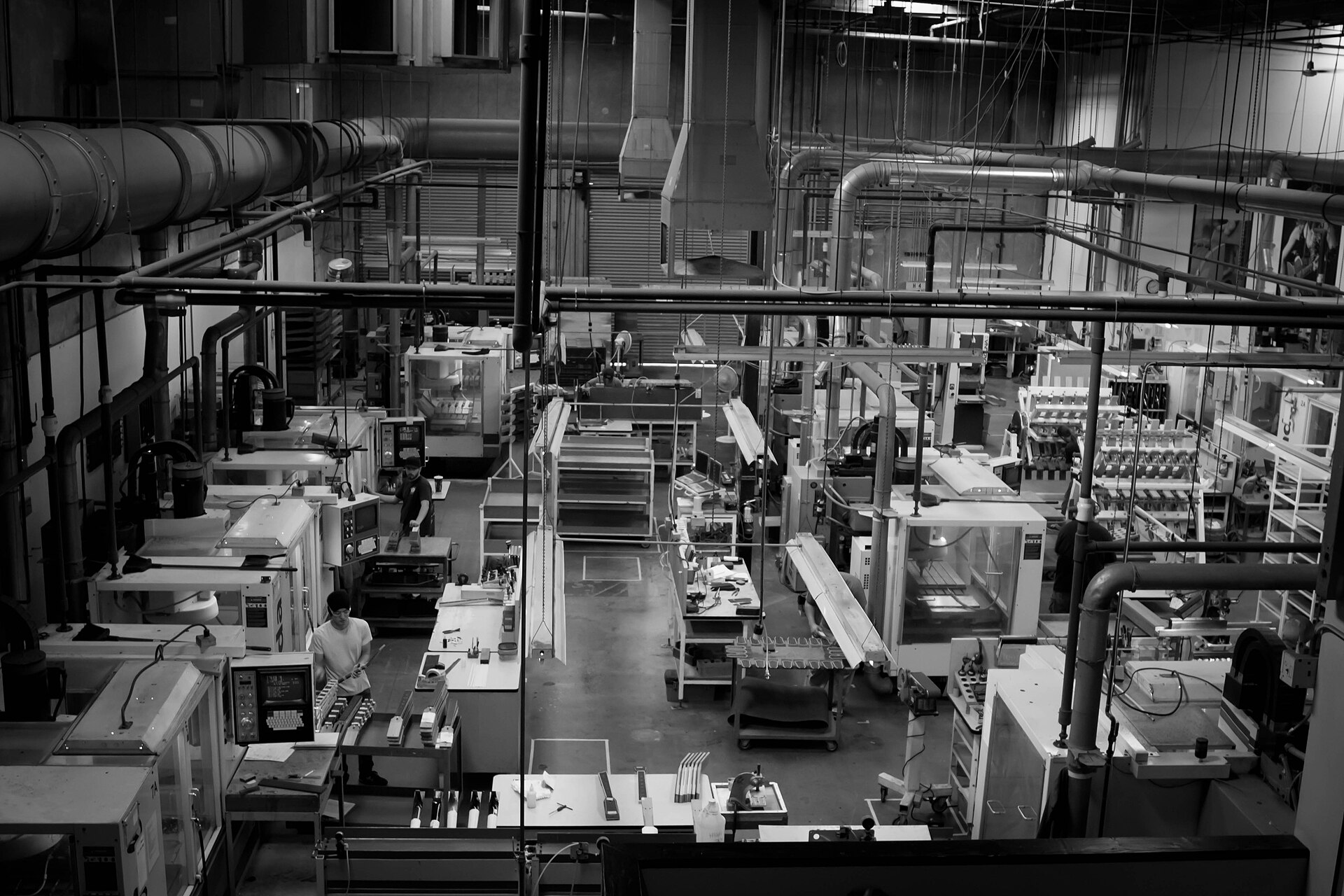
Demand is planned, not hoped for. Load is shared across partners so a single bottleneck does not stall your prototype, production or repeat order.
Planning inputs
Capacity decisions use the same requirement set as matching, with schedule and continuity added.
One-off, recurring or ramping volumes are planned separately so each gets the right route.
Target dates are checked against real partner load before they are quoted.
Work is distributed to avoid overloading a single facility or process.
Where continuity matters, an alternate qualified route is identified in advance.
Approved requirements and settings are carried forward to keep reorders consistent.
Slippage is surfaced through the single engineering contact, not buried in a supplier email.
Continuity
Capacity management keeps the conversation open after the first shipment. As demand grows or repeats, the same requirements are reused and the route is re-validated against current load.
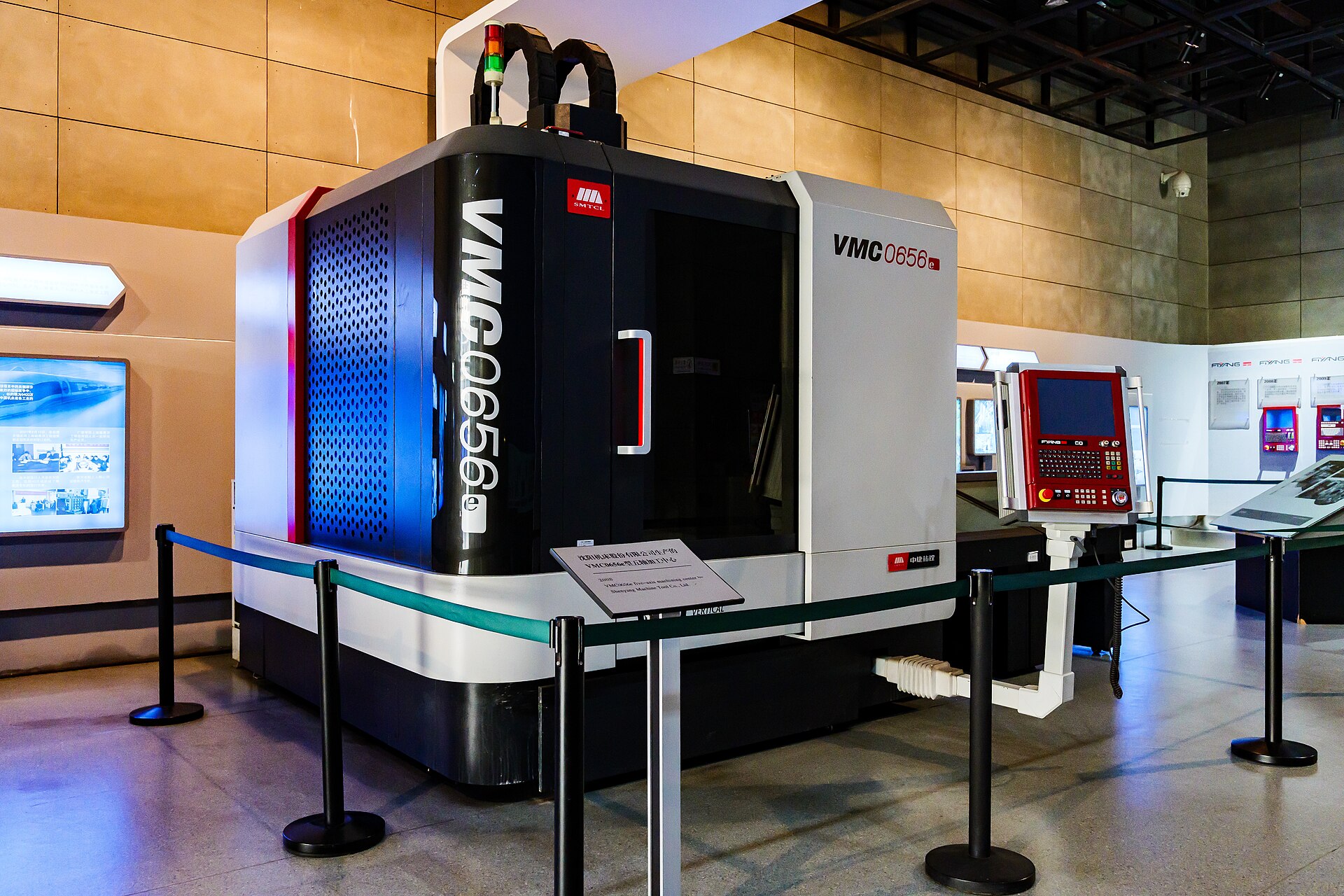
Tell us the demand profile. We will match capacity before committing a schedule.
Start an RFQ