Part Geometry
Features, setups, access and complexity determine milling, turning or multi-axis routing.
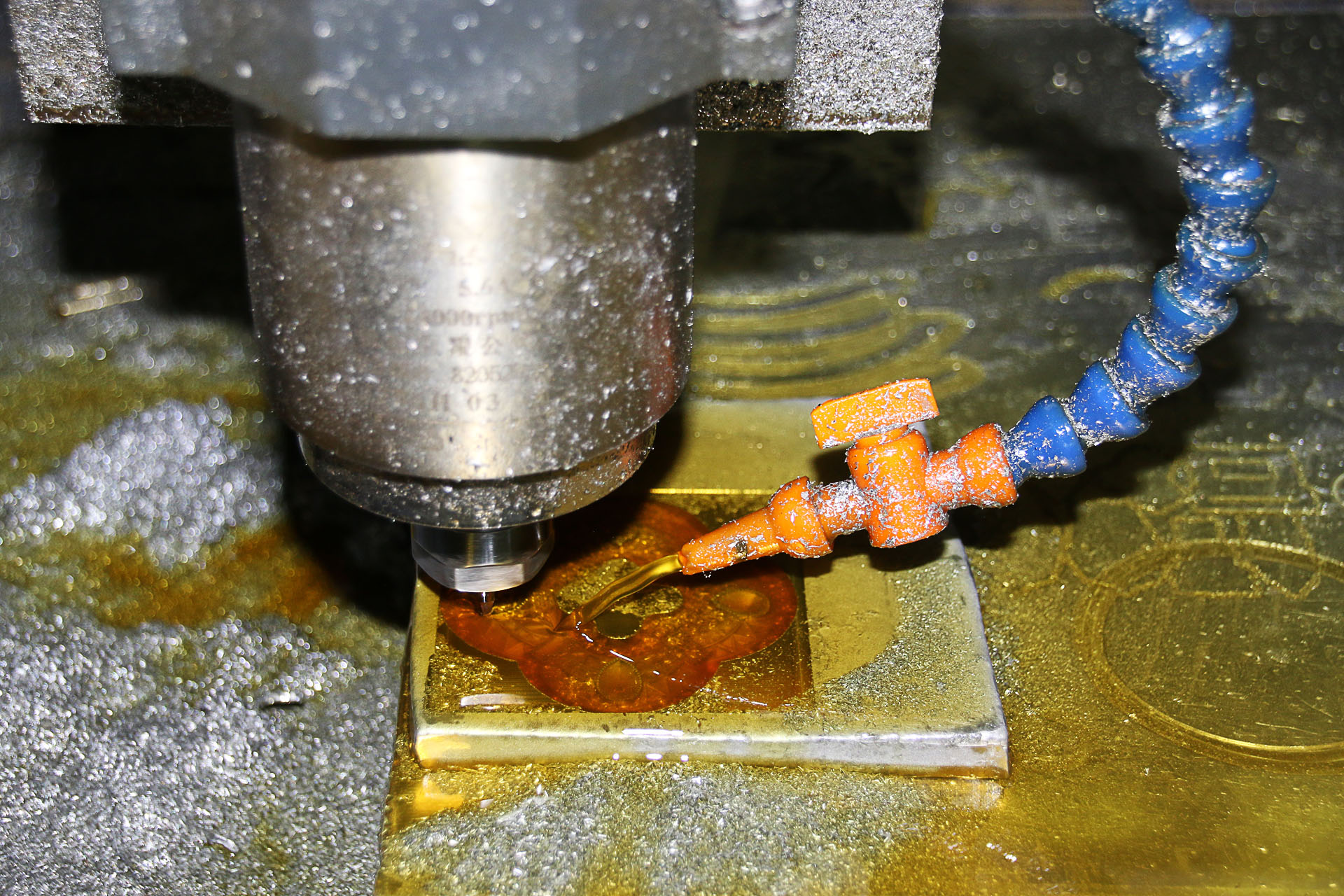
Capability matching turns a drawing and a requirement set into a concrete manufacturing route, selected for fit rather than assumed availability.
Matching inputs
The route is built from the project itself. Where information is incomplete, we state the assumptions used for quotation.
Features, setups, access and complexity determine milling, turning or multi-axis routing.
Machinability, grade, condition and sourcing are matched to partner experience and stock access.
Critical dimensions and surface requirements set the needed equipment and inspection plan.
Prototype, low-volume and production volumes change the economic and process route.
Reporting format, sampling and records define which partner quality resources are required.
Target date and flexibility inform capacity selection and sequencing.
From requirements to route
Read the drawing, notes and RFQ fields into a structured requirement set.
Filter the network to facilities with the relevant process and capacity.
Validate equipment, material access and quality scope for the actual parts.
Return pricing and schedule tied to the confirmed assumptions.
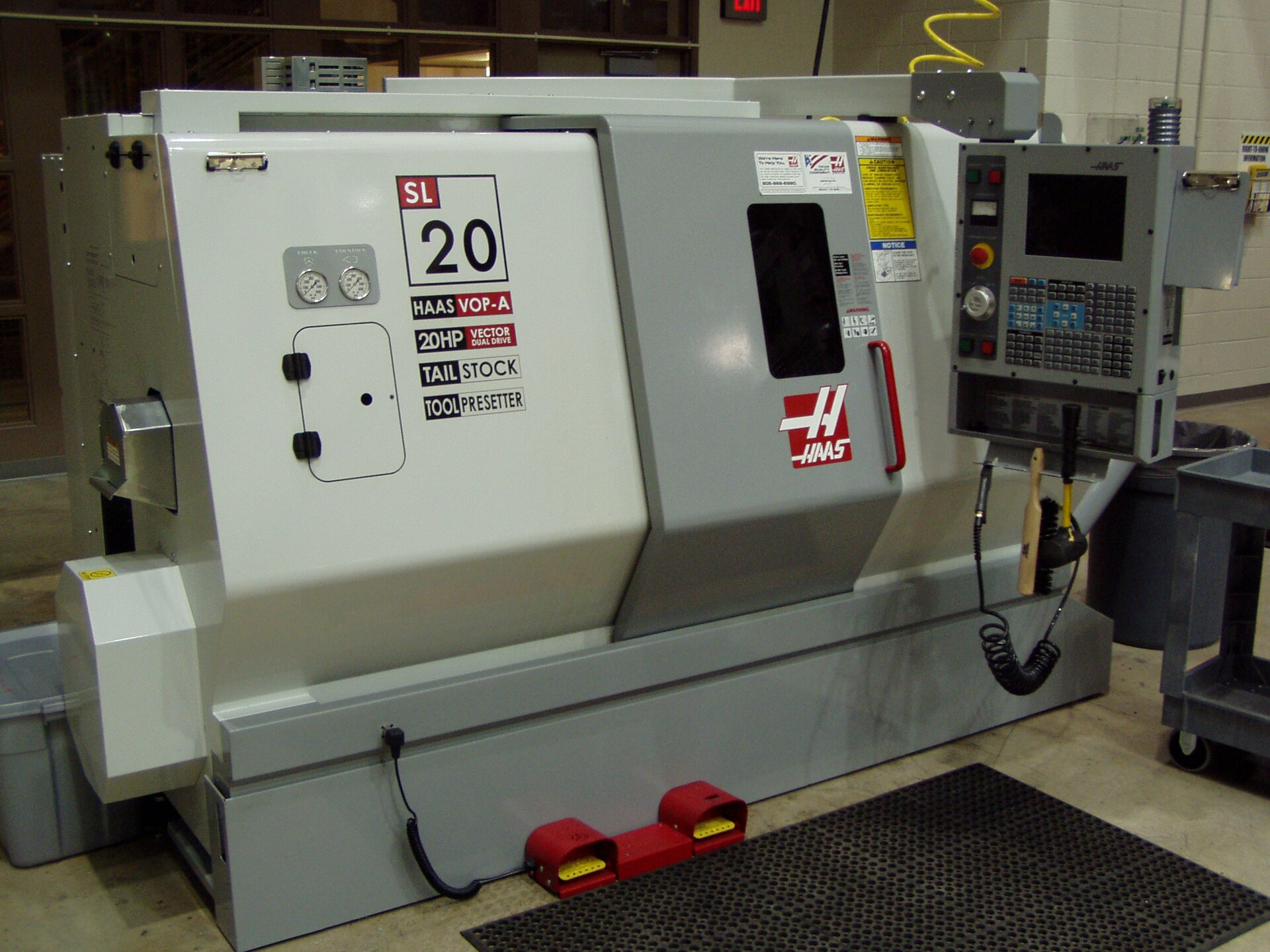
Upload CAD and requirements. We will match the project to a confirmed manufacturing path.
Start an RFQ