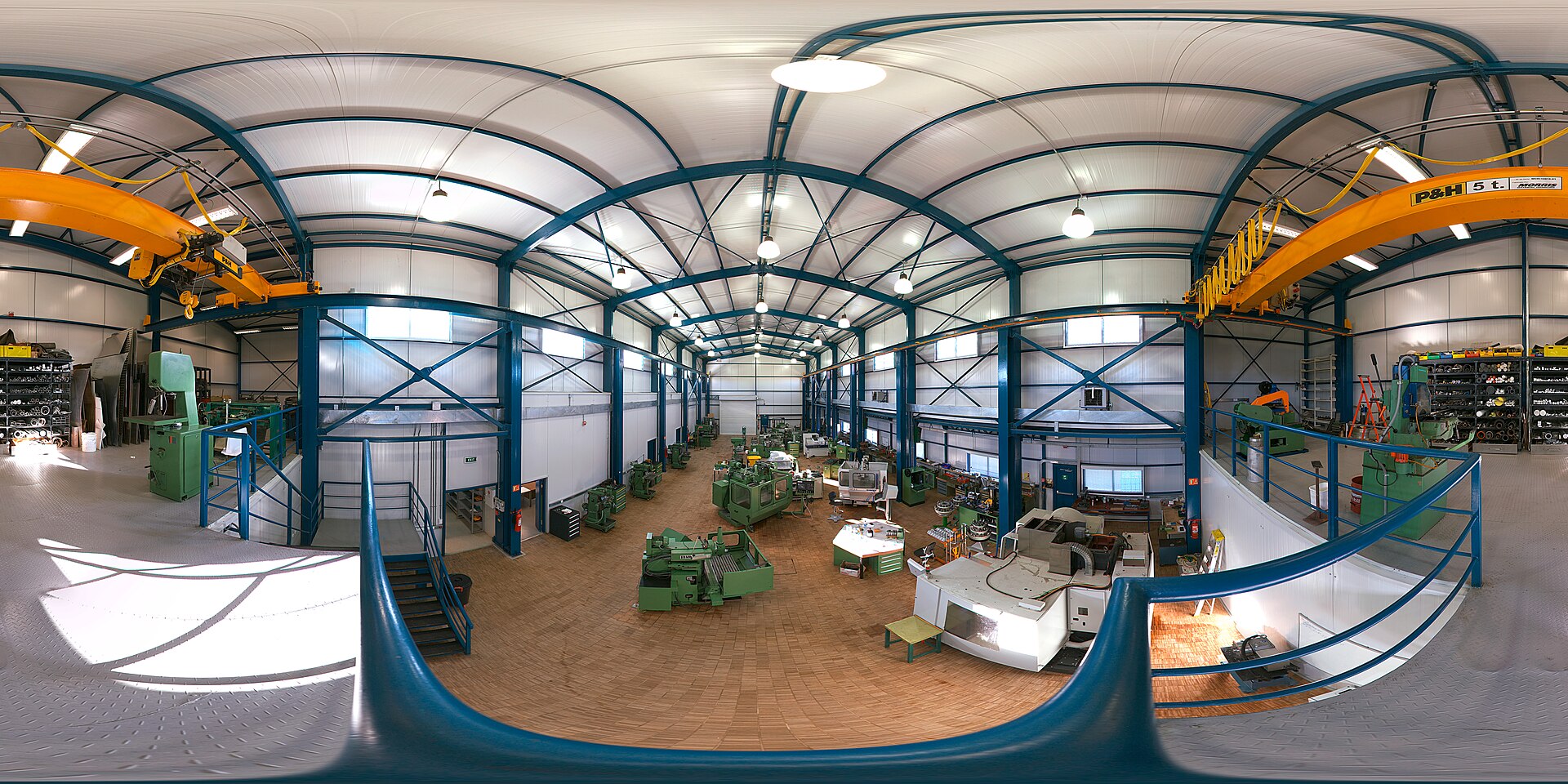
Choosing between CNC milling and CNC turning is one of the first decisions in any machined-part project. Both are subtractive processes, but they remove material in fundamentally different ways—and that difference drives cost, lead time, and what geometries are even possible.
The core difference: how material is removed
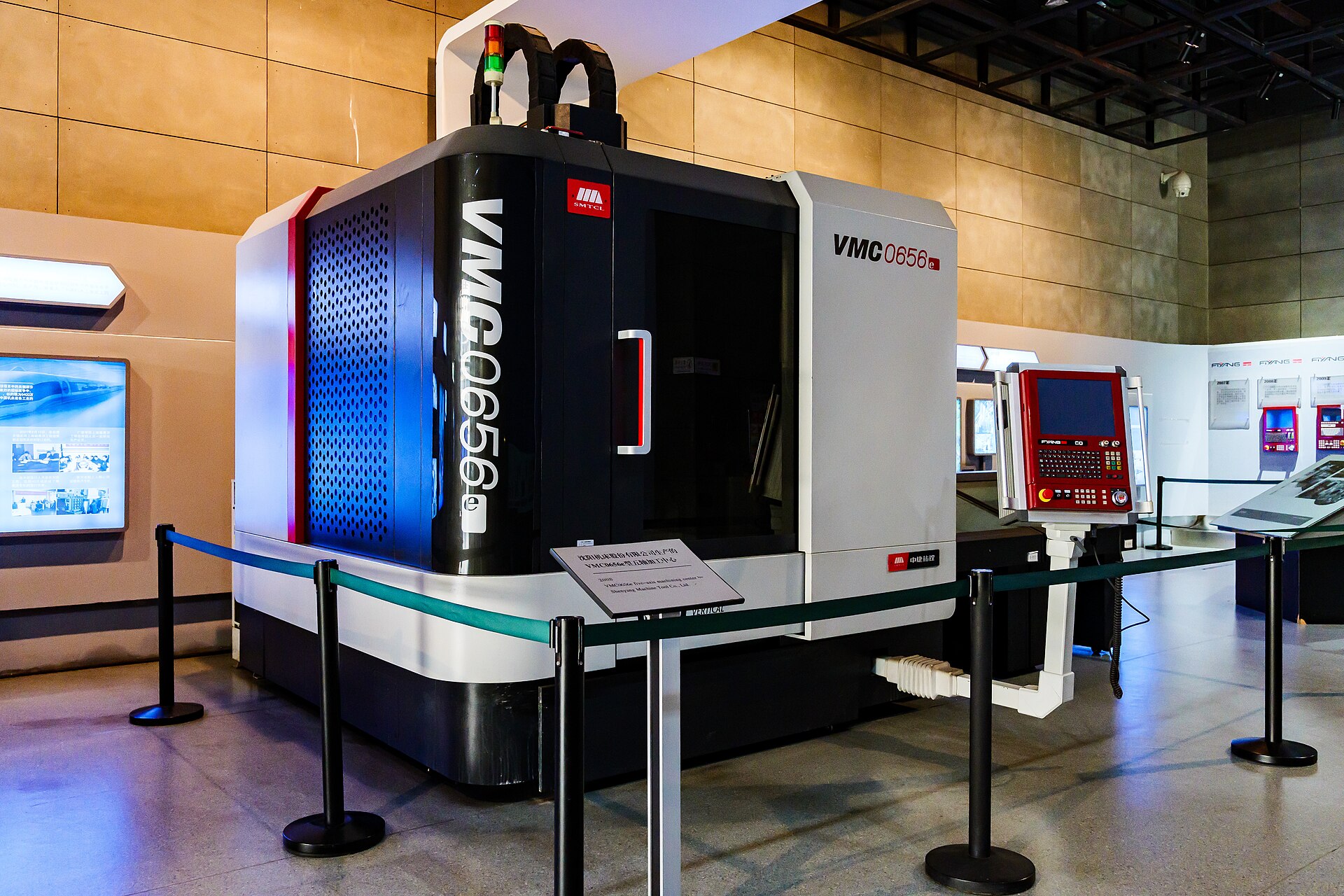
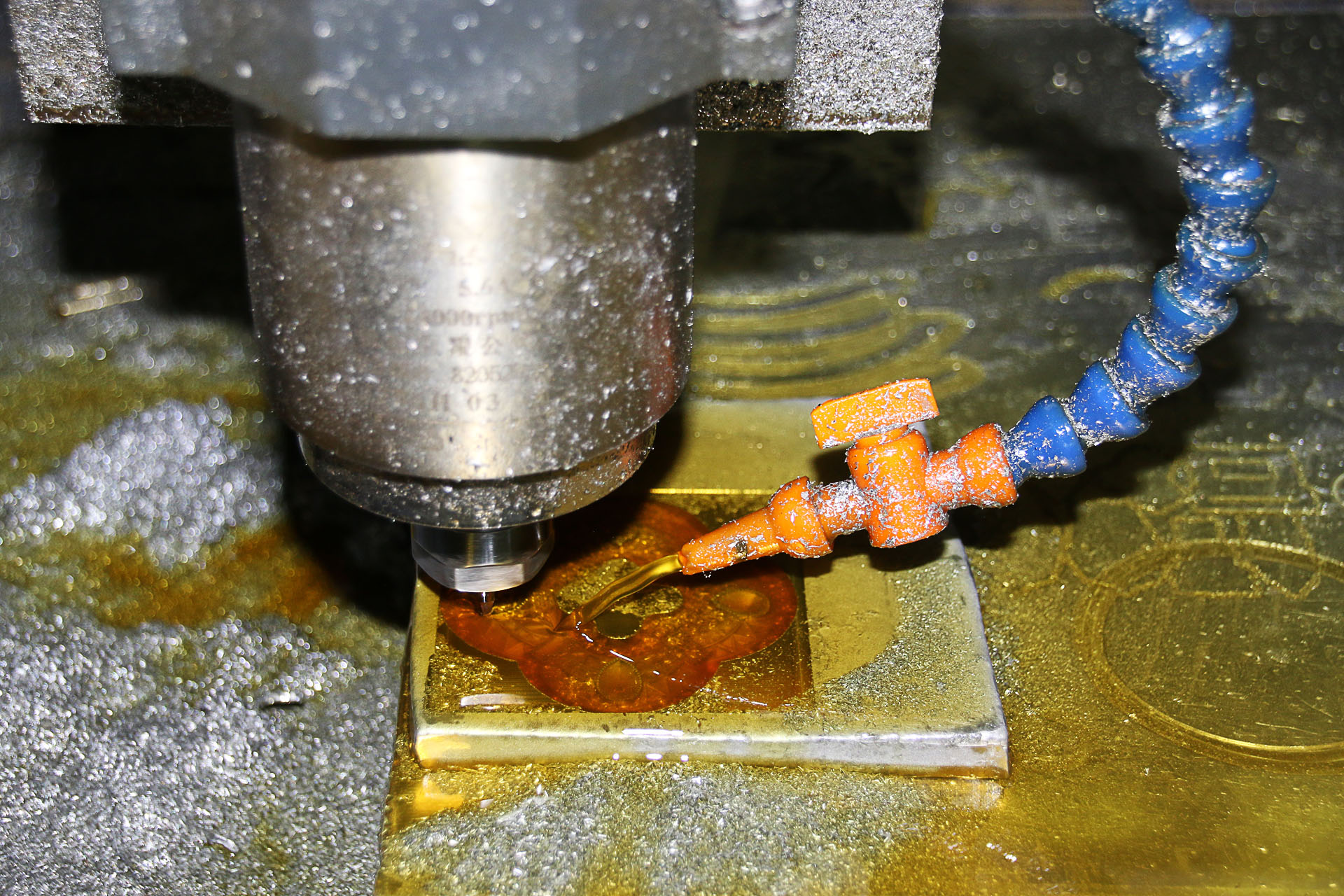
In CNC milling, the workpiece is held stationary (or moved on a table) while a rotating cutting tool travels through it. The tool does the moving. This makes milling ideal for features on multiple faces, pockets, slots, and prismatic shapes.
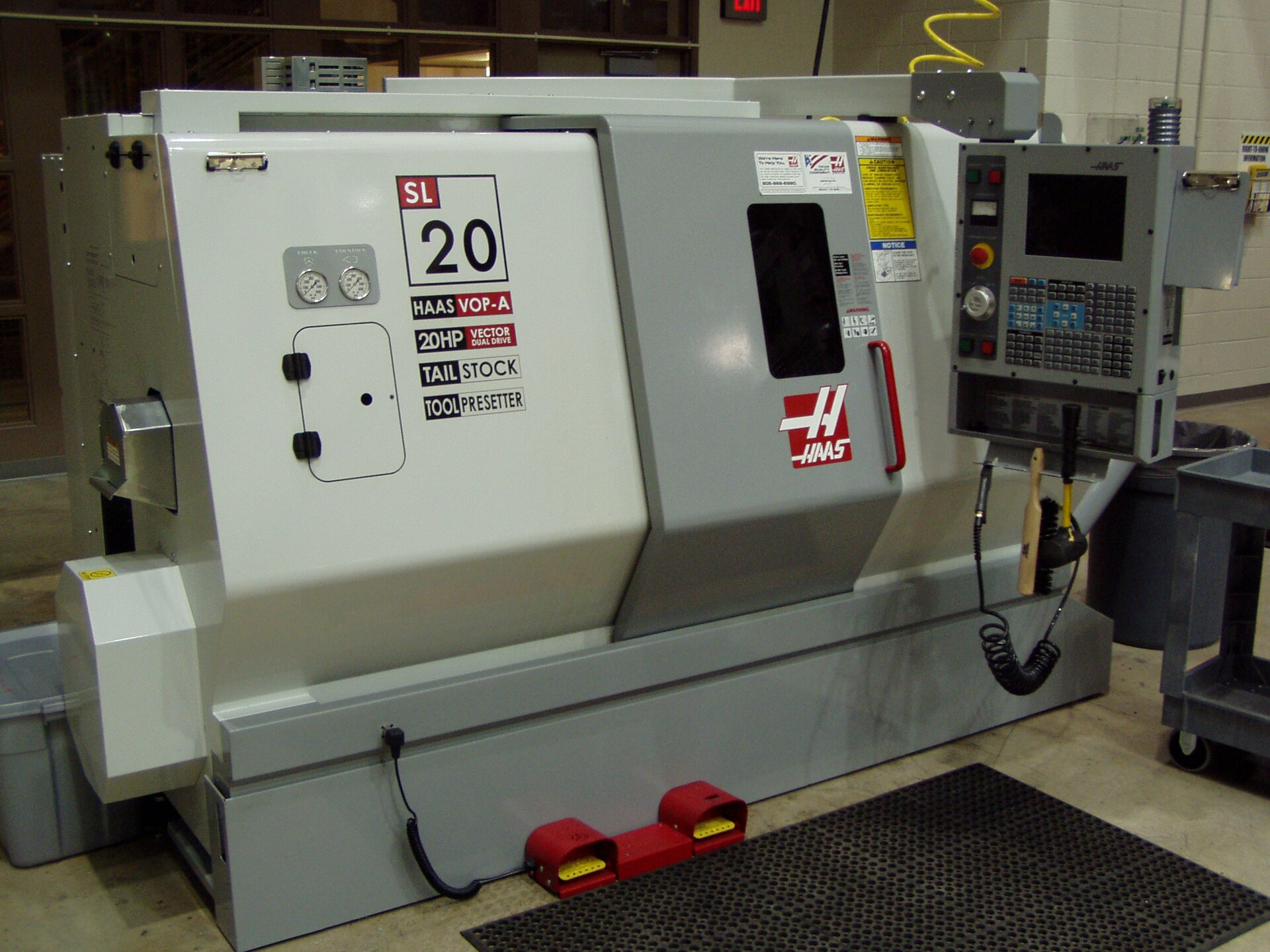
In CNC turning, the part rotates at high speed while a stationary cutting tool removes material. The part does the spinning. This is the natural choice for anything axisymmetric—shafts, bushings, connectors, and threaded bodies.
| Factor | Milling | Turning |
|---|---|---|
| Best geometry | Prismatic, multi-face | Round, axisymmetric |
| Driven element | Rotating tool | Rotating part |
| Typical tolerance | ±0.05 mm | ±0.01–0.02 mm |
| Live tooling | No | Yes (for milled features) |
Geometries that point to milling
If your part has flat surfaces, pockets, ribs, or holes on more than one face, milling is usually the answer. 3-axis mills handle the majority of prismatic work; 5-axis machines extend this to compound angles and undercuts without multiple setups.
Geometries that point to turning
Anything that could be described by spinning a 2D profile around an axis belongs on a lathe. Turning also reaches tighter diameters and better surface finish on round features than milling can, often in a single chucking.
When you need both
Many production parts are “turned then milled” or “milled then turned.” Modern multi-tasking lathes with live tooling can drill and mill off-axis features without unclamping, collapsing what used to be two operations into one setup—reducing cumulative tolerance stack-up.
How to specify it on a quote
When you request a quote, note the dominant geometry rather than the process you assume. A good supplier will recommend milling, turning, or a combination based on your drawing, volumes, and tolerance bands. If tight round diameters matter most, turning leads; if flatness and pockets dominate, milling leads.
FAQ
Can a lathe make square features? Only with live tooling for short milling passes; deep or wide prismatic features still belong on a mill.
Which is cheaper? For round parts, turning is typically faster per piece. For flat plates, milling avoids the waste of starting from a large billet turned down to size.